Cold wind sneaking past your window frames? In Lincoln Park’s vintage condos and townhomes, Chicago winter tests every seam, sash, and slate. You want to stay warm, protect your investment, and respect the character that drew you to your home. This guide gives you a practical, preservation-friendly plan to cut drafts, care for radiators and boilers, prevent ice dams, and coordinate work with your association or contractor. Let’s dive in.
Why Lincoln Park homes need winter prep
Chicago’s winter brings freeze and thaw cycles, strong lake winds, and bursts of heavy snow. These patterns increase the risk of ice dams, leaks, and moisture getting into brick and wood. The National Weather Service office serving Chicago outlines the regional conditions that drive these winter challenges for homeowners near the lakefront (NWS Chicago overview).
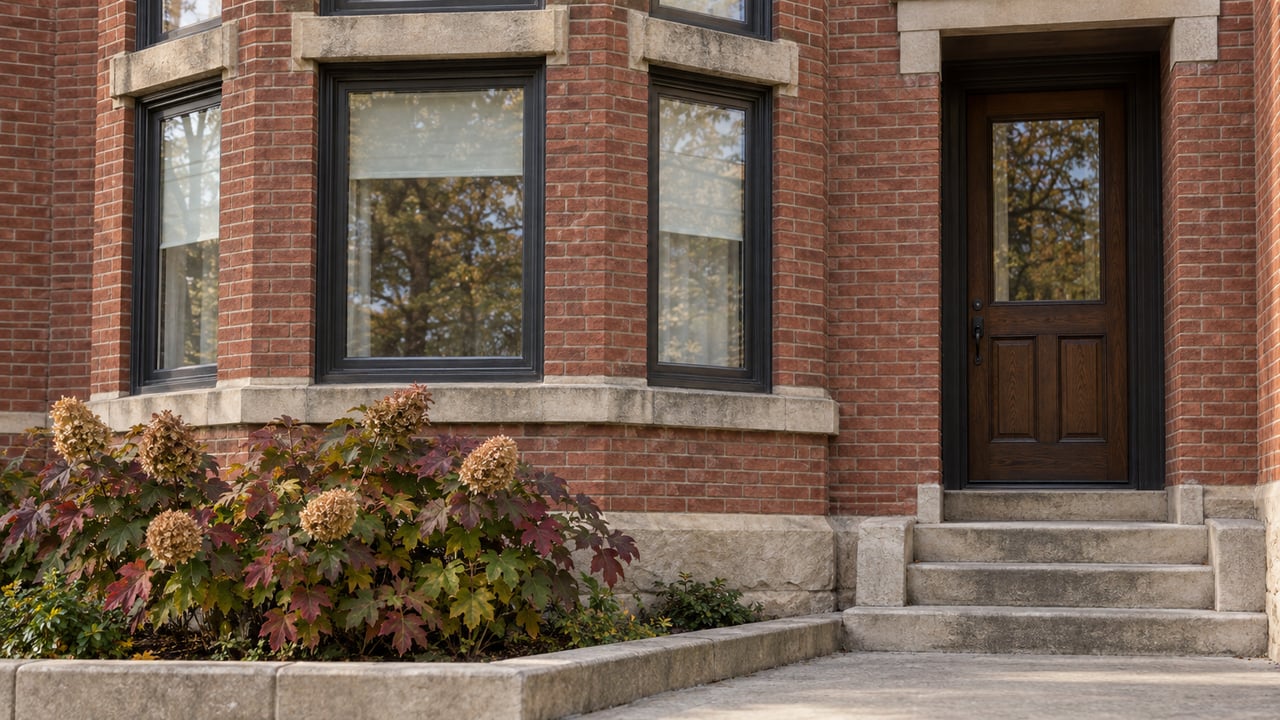
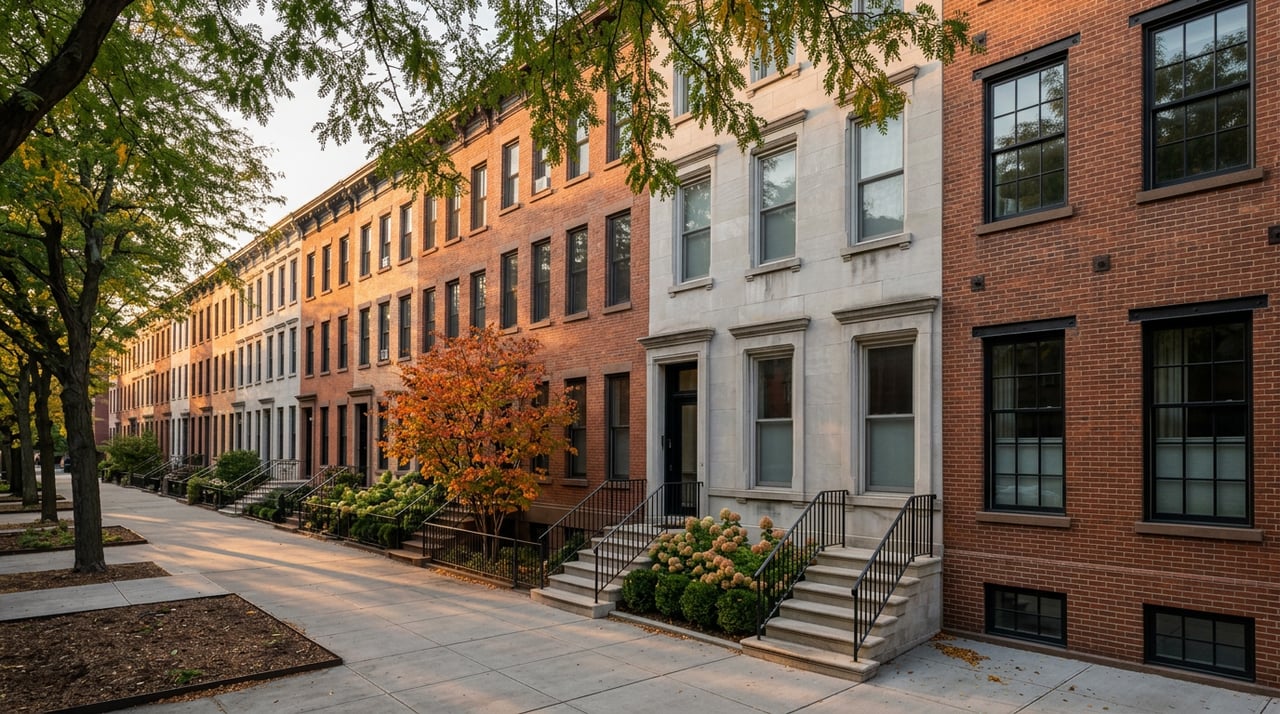
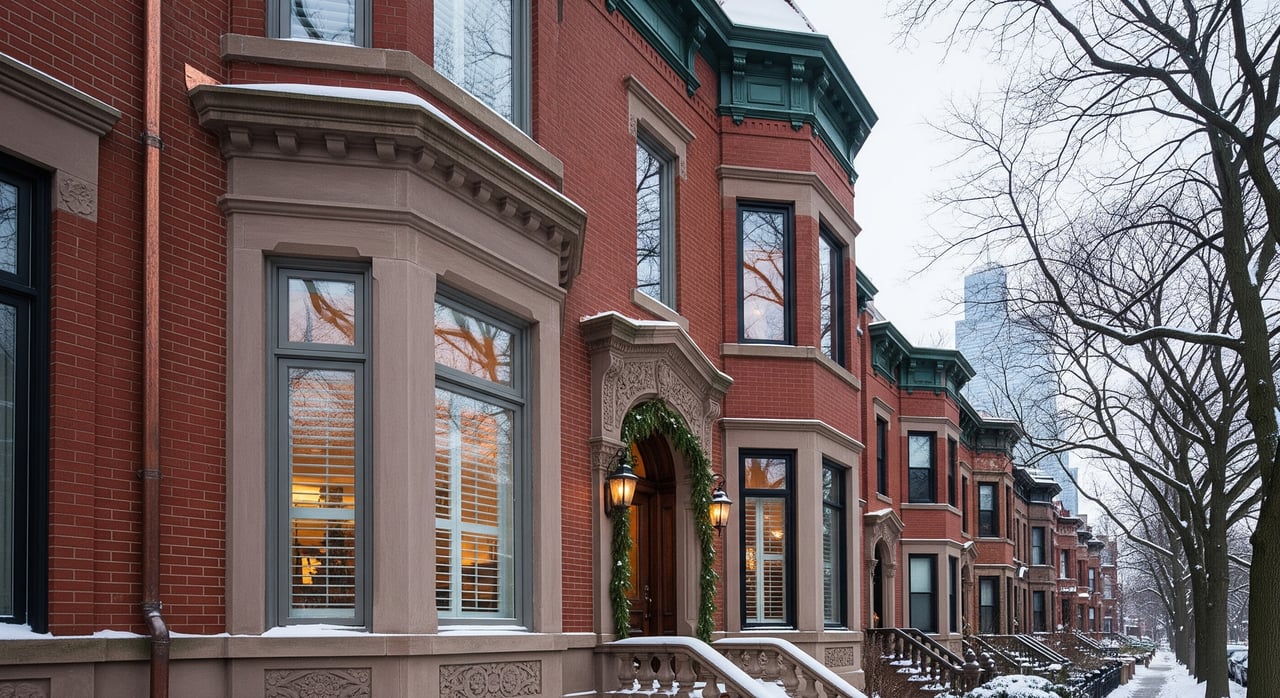
Many Lincoln Park buildings are late-19th or early-20th century walk-ups, brick townhomes, and converted vintage condos. Original wood windows, masonry facades, and steam or hot-water radiators are common. In parts of the neighborhood, exterior changes may be subject to review by the Commission on Chicago Landmarks. That means your winterization plan should balance comfort and efficiency with preservation and local rules.
Seal drafts and improve windows
Old single-pane wood windows are often the biggest source of heat loss in vintage units. The good news is that repair and storm windows usually deliver strong results without losing historic charm. The National Park Service recommends a repair-first approach that pairs well with energy upgrades in historic homes (NPS energy efficiency brief).
Quick, renter-friendly fixes
- Use removable rope caulk or low-adhesive foam on sash edges during winter.
- Add a door sweep and threshold seal at exterior doors.
- Install foam gaskets behind electrical outlets and switch plates on exterior walls.
- If you have an attic hatch, add insulation and a gasketed cover to reduce heat loss.
Preservation-friendly improvements
- Repair sash cords, adjust locks, and add weatherstripping so sashes close tightly.
- Install or repair storm windows, or add interior storm panels. These often provide comfort similar to replacements while preserving original windows.
- Weatherstrip storm-window frames and ensure a tight fit.
- Time this work for late summer or early fall so materials are in place before the first cold snap.
Considering replacements or visible exterior changes
If you are thinking about replacing historic windows or altering exterior elements, check whether your building is in a landmark district or has a designated status. The City’s historic preservation program explains when review is required and how to proceed (Chicago Historic Preservation). When in doubt, ask before you order materials.
For broader air sealing guidance that pays off quickly, review the U.S. Department of Energy’s tips on targeting gaps and cracks where warm air escapes (DOE air sealing guide).
Tune boilers, radiators, and indoor piping
Many vintage Lincoln Park buildings use steam or hot-water systems. Preventive service before the season helps you avoid mid-January surprises.
Annual service checklist
- Hire a licensed HVAC or plumbing contractor to tune the boiler, check safety controls, inspect for leaks, and confirm proper venting and combustion.
- For steam radiators, test air vents and valves, and balance the system so rooms heat evenly.
- Insulate exposed hot-water pipes in unheated spaces to reduce heat loss and protect against freezing.
- Keep clearances around the boiler and follow manufacturer instructions for combustion air.
Safety checks
- Install and test carbon monoxide detectors near sleeping areas and any boiler room.
- Test smoke detectors and replace batteries as needed.
- If work requires permits or affects fuel-burning appliances, confirm requirements with the City of Chicago Department of Buildings (Department of Buildings).
Condo and multiunit coordination
- Verify your association’s preventive maintenance plan and emergency contact list.
- Clarify unit-level responsibilities, such as bleed valves on radiators and interior pipe insulation, versus building systems.
Roofs, gutters, and ice-dam prevention
Ice dams happen when warm spots on a roof melt snow that then refreezes at the eaves. They can force water under shingles or roofing membranes. The Department of Energy explains how to reduce risk by improving insulation and air sealing at the attic plane (DOE ice dam guidance).
Fall maintenance
- Clean gutters and downspouts, then re-check after major storms.
- Confirm downspouts discharge several feet away from the foundation.
- Inspect shingles or membrane and all flashing at chimneys and roof penetrations. Repair as needed.
Attic insulation and ventilation
- Seal air leaks from living space into the attic at top plates, recessed lights, and around chimneys or ducts. This keeps attic temperatures consistent.
- Add insulation where needed and ensure continuous airflow at soffits and a ridge or other vent to reduce warm spots.
Flat roof notes
- On vintage low-rise condos with flat roofs, look for ponding areas and membrane wear. Schedule professional inspections in fall and after severe weather.
- If a roof area is a chronic ice-dam hotspot, heat-trace cables can help, but they should be a supplement to proper insulation and ventilation.
Snow and ice management
- Use a roof rake from the ground to reduce snow buildup at the eaves.
- Avoid climbing on icy roofs. Hire a professional for heavy or risky removal.
Masonry, chimneys, and foundations
Chicago’s freeze and thaw cycles are hard on brick and mortar. Historic brick often needs softer, compatible mortar to handle movement. The National Park Service’s guidance explains why hard Portland-cement mortar can trap moisture and damage brick in historic walls (NPS repointing brief).
Repointing the right way
- Inspect for missing, cracked, or powdery mortar, loose bricks, and open joints.
- Use a mason experienced with historic buildings and request a mortar analysis to match composition, color, and texture.
- Avoid hard Portland-cement mixes on historic brick. Use compatible mortar to prevent spalling.
- Plan major repointing during dry seasons for proper curing.
For broader masonry maintenance context, the Brick Industry Association offers technical resources on brick durability and repair best practices (Brick Industry Association).
Chimneys and flashing
- Check chimney caps, crowns, and flashing where the chimney meets the roof. Repair gaps to keep water out.
- If you use fireplaces, follow recommendations from the Chimney Safety Institute of America and schedule inspections as needed (Chimney Safety Institute of America).
Keep water away from the foundation
- Make sure gutters are secure and sloped correctly, and extend downspouts to discharge water several feet from the building.
- Use splash blocks or extensions to route water away from walkways and frost-prone areas.
- Confirm that soil grading slopes away from the foundation to reduce basement moisture.
Ownership, permits, and hiring contractors
In condos and multiunit buildings, the association often handles the roof, gutters, masonry, chimneys, and common heating plant. Unit owners are typically responsible for interior elements, sometimes including operable window sashes. Review your condominium declaration and maintenance matrix to avoid confusion later.
Permits and landmark review
If your building is a designated Chicago Landmark or in a landmark district, exterior changes such as window replacements, cornice repairs, or visible repointing may require review or a permit. Start with the City’s historic preservation program to understand what needs approval and the steps involved (Chicago Historic Preservation).
For work involving structural systems or fuel-burning appliances, or for projects that otherwise require a permit, consult the Department of Buildings for rules and licensing requirements (Department of Buildings).
Hire the right pros
- Choose licensed and insured contractors with experience on historic buildings.
- Ask for references, examples of similar projects, and a detailed written scope that includes materials and methods.
- Get at least three estimates. Confirm who will secure permits and what warranties apply.
- For masonry, require a specified mortar mix and joint profile. For roofing, request flashing details and ventilation plans.
Seasonal timeline for Lincoln Park homes
A simple calendar helps you stage the work and keep surprises to a minimum.
Late summer to early fall
- Clean gutters and downspouts, then inspect the roof and flashing.
- Service boilers and radiators. Test CO and smoke detectors.
- Inspect masonry and schedule repointing for dry months if needed.
- Repair or install storm windows. Weatherstrip doors and windows.
- Air seal attic penetrations and insulate exposed pipes in unheated areas.
Pre-winter in November
- Confirm your snow and ice removal plan and emergency contacts.
- Keep a roof rake accessible for light snow removal from the ground.
- Add downspout extensions where water pools near the foundation.
During winter
- Monitor eaves and gutters for ice-dam formation. Use a roof rake to reduce snow near edges if safe to do so.
- If a leak appears, protect belongings, document the area with photos, and contact your association or a qualified contractor immediately.
Early spring
- Walk the exterior to spot freeze-thaw damage. Schedule masonry and roof repairs for dry weather.
Quick winterization checklist
- Weatherstripping and storm windows installed.
- Boiler and radiators serviced, vents balanced.
- Carbon monoxide and smoke detectors tested, fresh batteries added.
- Gutters cleaned, downspouts extended away from foundation.
- Roof inspected, flashing and shingles or membrane repaired.
- Attic air sealing done, insulation and ventilation evaluated.
- Chimney cap and flashing checked, schedule inspection if using fireplaces.
- Masonry joints evaluated, use compatible mortar on historic brick.
Preparing your vintage home for a Chicago winter takes a little planning, but the payoff is big. With targeted air sealing, smart boiler and radiator care, and a sharp eye on masonry, roofs, and gutters, you protect your comfort and your investment while honoring historic character. If you want help prioritizing winter prep or coordinating work around a home search or sale, connect with Kelly Ladewig for local guidance.
FAQs
What are the top winterization steps for Lincoln Park vintage homes?
- Focus on weatherstripping and storm windows, annual boiler and radiator service, clean gutters with downspout extensions, and air seal the attic to prevent ice dams.
How can I reduce drafts without replacing original windows?
- Repair sash cords and locks, add weatherstripping, and install exterior or interior storm panels, which the National Park Service supports as a preservation-friendly efficiency upgrade.
Who handles roof or chimney repairs in a Lincoln Park condo building?
- Check your condominium declaration and maintenance matrix, since exterior envelope items are often association responsibilities while unit owners handle interior items.
How do I prevent ice dams on a vintage flat or pitched roof?
- Clean gutters, air seal and insulate at the attic plane, ensure continuous ventilation, and use heat-trace cables only as a targeted supplement in recurring trouble spots.
Do I need permits or landmark review for exterior winterization work?
- For visible exterior changes like window replacements or repointing, contact the City’s historic preservation program and Department of Buildings to determine permit and review requirements.