Wondering what living in a Lincoln Park condo really looks like day to day? With choices ranging from vintage walk-ups to full-service towers by the lake, it can be hard to know what fits your lifestyle and budget. You want the right mix of comfort, convenience, and long-term value. This guide breaks down condo types, amenities, micro-locations, price tradeoffs, and smart due diligence so you can narrow your search with confidence. Let’s dive in.
Lincoln Park at a glance
Lincoln Park stretches from the lake and zoo to the North Branch of the Chicago River. You get leafy residential streets alongside busy retail corridors like Armitage, Halsted, and Southport. Access to CTA trains and buses, walkable dining and shopping, school options, and DePaul University shape day-to-day life and demand for condos.
If you value parks and the lakefront, the eastern side places you near beaches, trails, and open space. If you want new construction and strong value per square foot, western pockets near the Clybourn corridor offer newer infill buildings and mixed-use developments.
Condo types you will see
Lincoln Park offers distinct building styles that each come with their own pros, cons, and price dynamics.
Vintage walk-ups and conversions
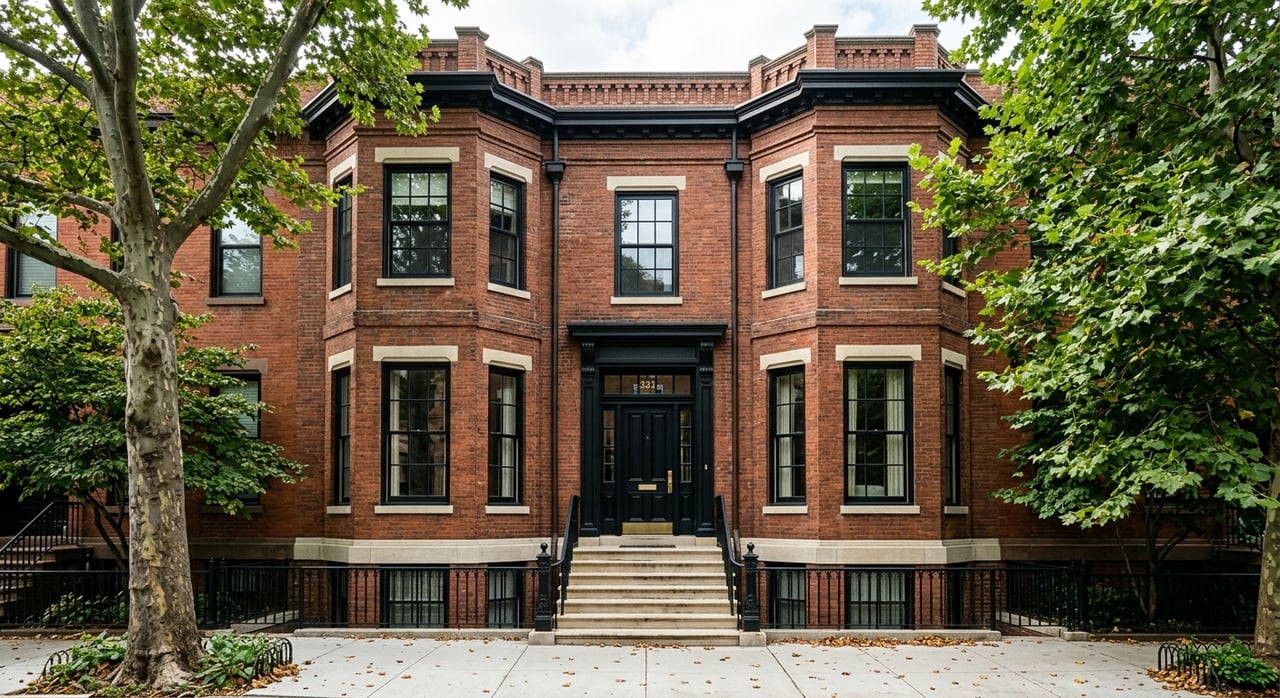
- What they are: Greystones, rowhouses, and 3–6 unit courtyard or walk-up buildings, often from the 1880s to 1930s.
- What you get: Character details, high ceilings, and classic layouts. Many lack elevators and on-site parking. Some have shared laundry or smaller storage.
- Best for: Buyers who prioritize neighborhood charm and location over a long amenity list.
- Watch for: Aging systems, smaller associations with variable reserves, and potential special assessments.
Mid-rise purpose-built condos
- What they are: 4–12 story masonry or concrete buildings from the 1950s–1990s, often near transit and retail.
- What you get: Elevators, some on-site management, and a range of parking options. Amenities vary from simple storage to small gyms.
- Best for: Professionals who want elevator convenience at a middle price point.
- Watch for: Differences in building updates, reserve health, and overall management quality.
Newer boutique mid-rises
- What they are: Small modern mid-rises and infill projects from the 1990s–2010s.
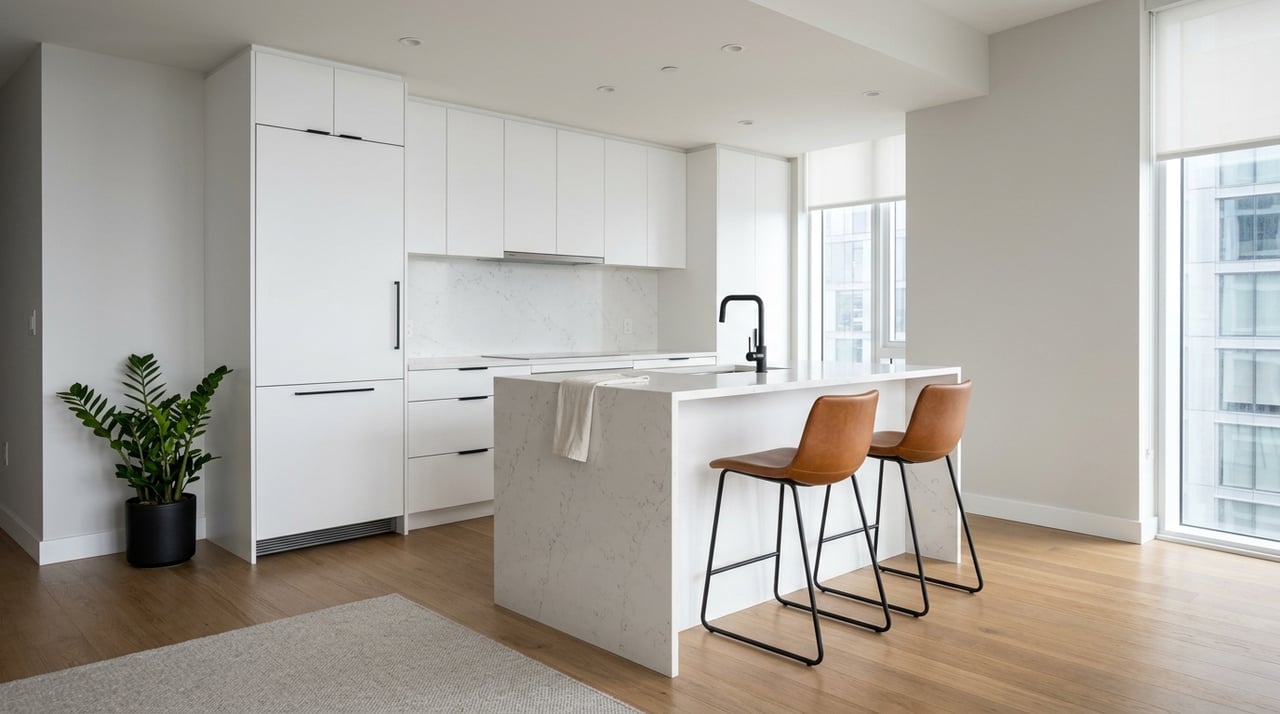
- What you get: Contemporary layouts, in-unit laundry, garage or assigned parking, balconies or terraces, and modern kitchens and baths.
- Best for: Buyers who want low-maintenance living without the scale of a high-rise.
- Watch for: Review warranties, association reserves, and any pending assessments.
High-rise and luxury towers
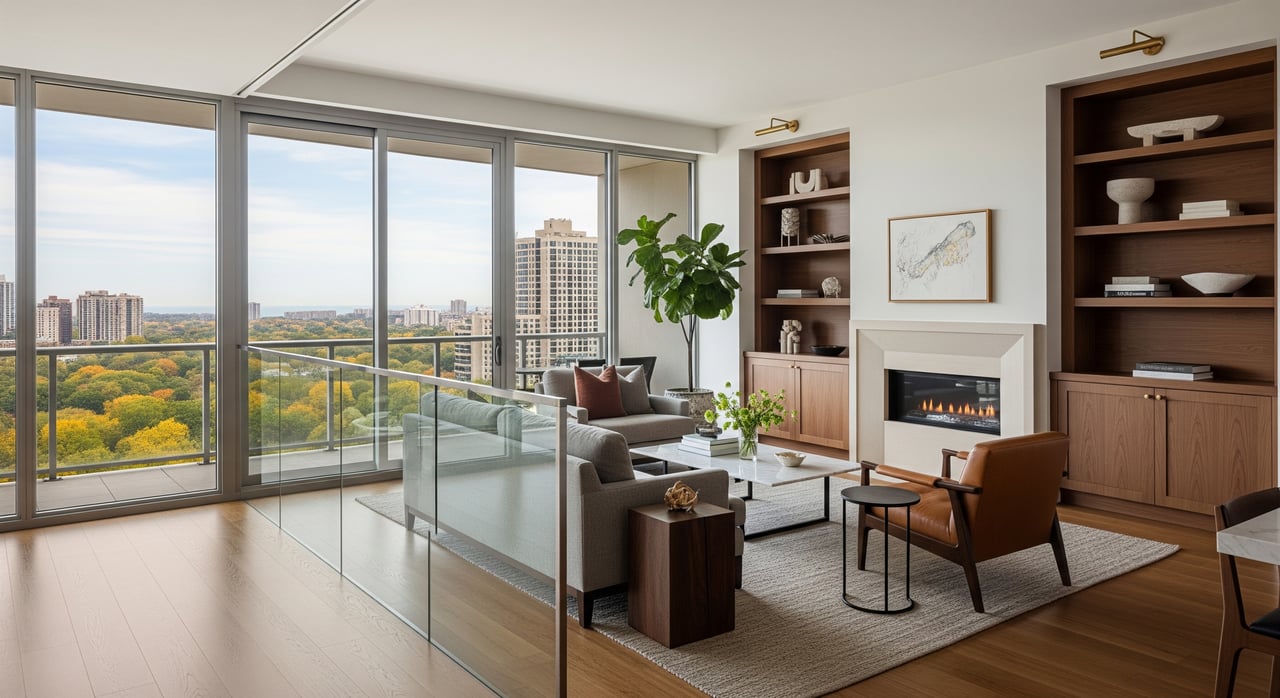
- What they are: Lakefront and major-corridor towers ranging from mid-century to newer luxury builds.
- What you get: Full-service amenities like a doorman or concierge, fitness centers, pools or rooftop decks, secure parking, and storage. HOA dues are higher but cover more services.
- Best for: Buyers who want views, service, and larger floor plans.
- Watch for: Higher overall costs that track luxury market cycles, plus specific rules on pets and building use.
Townhouse-style condos
- What they are: Multi-level attached homes with condo ownership, plus select ground-up townhome developments.
- What you get: A single-family feel, private outdoor space, and sometimes attached garages.
- Best for: Buyers who want more space and separation of living areas with lower maintenance than a single-family home.
- Watch for: Higher entry prices for outdoor space and garages, and HOA structures that cover exterior maintenance.
Amenities and costs to weigh
Amenities shape both lifestyle and monthly costs. Decide what you will use often, then match your budget to the true value of each feature.
- Parking: Deeded indoor parking is a premium. Many vintage buildings do not include parking. Street parking can be competitive on some blocks.
- Elevators: Important for accessibility and resale potential. Most walk-ups lack them.
- Doorman or concierge: Adds convenience and security in full-service buildings, and raises HOA dues.
- Fitness and pools: Standard in larger towers, limited in smaller buildings.
- Outdoor space: Rooftop decks, balconies, and terraces carry strong value in a dense neighborhood.
- Storage and bike rooms: Big plus for daily life and resale.
- Pet policies: Rules vary, including size or breed limits. Read the bylaws before you fall in love with a unit.
- In-unit laundry: Highly preferred and common in newer buildings and many conversions.
What drives HOA fees
Association dues reflect age, amenities, staffing, insurance, and reserves. Small associations often have lower monthly dues, but reserves can be thin and special assessments more impactful. Full-service towers have higher dues that offset on-site staff and comprehensive upkeep. Decide whether you would rather pay more monthly for hands-off living or save on dues and accept more risk of future assessments.
Maintenance and lifecycle notes
- Vintage buildings: Confirm plumbing and electrical updates, boiler and roof status, and any lead service lines. Ask for reserve studies and a list of recent capital projects.
- Newer buildings: Review warranties and ensure reserves are healthy. New does not always mean assessment-free.
- Stormwater: Most Lincoln Park blocks are not directly affected by lake proximity, but verify FEMA and local drainage context if a unit sits in a low spot or near major stormwater infrastructure.
Micro-locations that shape price and feel
Lincoln Park is a patchwork of micro-areas. Your daily routine and budget will feel different depending on where you land.
South Lincoln Park
- Profile: Close to the Old Town and Gold Coast edges, with active dining and evening options.
- Inventory: Mid-rises, boutique elevator buildings, and renovated vintage flats.
- Buyer fit: Urban professionals who want nightlife, CTA access, and shorter Loop commutes.
Central Lincoln Park
- Profile: Boutique retail corridors along Armitage, Halsted, and Southport with a neighborhood feel.
- Inventory: Greystones, rowhouses, boutique mid-rises, and townhouse condos.
- Buyer fit: Buyers seeking walkability and a residential vibe near independent shops and cafes.
North Lincoln Park near the lake
- Profile: Close to the park, zoo, and lakefront trails, with quieter evenings.
- Inventory: Luxury high-rises and lake-adjacent mid or high-rises, plus select townhomes.
- Buyer fit: Buyers who place a premium on parks and the lake, often at higher prices per square foot.
West Lincoln Park and Clybourn corridor
- Profile: Evolving pockets near repurposed commercial and industrial areas close to the river.
- Inventory: Newer infill condos, mixed-use projects, and some loft-style conversions.
- Buyer fit: Buyers seeking newer finishes and potential value compared to lakefront locations.
Near DePaul University
- Profile: Student-oriented areas with higher rental demand and more turnover.
- Inventory: Smaller 2–6 unit buildings, conversions, and rental-heavy condos.
- Buyer fit: Investors focused on rental income or buyers looking for lower entry prices who are comfortable with rental neighbors.
Lincoln Park vs nearby neighborhoods
You will likely compare Lincoln Park to a few close alternatives before you decide.
Lincoln Park vs Lakeview
- Similar: Lake-oriented neighborhoods with strong retail and dining.
- Different: Lakeview spans a broader range of micro-markets, from lively corridors to quieter pockets. Lincoln Park often feels more curated along specific retail streets.
- Takeaway: Choose Lincoln Park for boutique retail and a polished feel, or Lakeview for a wider mix and varied nightlife.
Lincoln Park vs Gold Coast and Streeterville
- Similar: Close to downtown with high-rise living options.
- Different: Gold Coast and Streeterville concentrate luxury towers and immediate downtown access. Lincoln Park offers more low-rise historic stock and residential streetscapes.
- Takeaway: Go Lincoln Park for rowhouse and greystone character near parks, or Gold Coast/Streeterville for high-rise luxury steps from the Loop.
Lincoln Park vs Old Town and River North
- Old Town: Historic buildings and a strong theatre and arts presence, fewer lakefront towers.
- River North: More commercial energy, nightlife, and luxury lofts and towers.
- Takeaway: Choose Old Town for intimate historic charm, or River North for proximity to workplaces and vibrant nightlife.
Price positioning summary
- Lakefront high-rises in Lincoln Park typically lead on price per square foot.
- Boutique modern mid-rises and renovated vintage units fill the middle.
- Smaller conversions near student-dense pockets can be lower entry points, while townhouses with private outdoor space often command a premium.
Which condo fits you
Match your lifestyle to building traits so you know where to focus your search.
Urban professionals
- Priorities: Transit access, walkability to restaurants and retail, modern finishes, low upkeep.
- Best bets: Boutique elevator mid-rises along Southport or Armitage, and newer infill buildings. One-bedroom or efficient two-bed plans with optional parking.
- Tradeoffs: Lower HOA and fewer amenities vs higher dues in full-service towers.
Downsizers
- Priorities: Elevators, secure entry, storage, and easy access to parks and services.
- Best bets: Elevator mid-rises or full-service towers with doorman support and amenity convenience, or single-level townhouse condos.
- Tradeoffs: Higher monthly dues for services vs more self-managed upkeep in small associations.
Households seeking more space
- Priorities: Multi-bedroom layouts, outdoor space, and walkable access to daily needs.
- Best bets: Townhouse-style condos, larger units in mid-rises, or select greystones and rowhouses with more bedrooms.
- Tradeoffs: Parking can be essential, and per-square-foot pricing can rise on quieter, highly desired blocks.
Investors
- Priorities: Rentability, turnover, and long-term maintenance outlook.
- Best bets: Units near DePaul or transit corridors, and small buildings with floor plans that rent easily.
- Tradeoffs: Understand rental caps, subletting rules, and short-term rental policies before you buy.
Smart due diligence checklist
Use this quick list when you evaluate a building and unit:
- Documents: Bylaws, declaration, recent meeting minutes, current budget, reserve study, and latest audited statement.
- Capital work: Recent or planned assessments, and timelines for roof, boiler, or elevator projects.
- Insurance and litigation: Master policy details and any active or pending lawsuits.
- Management: On-site vs third-party, plus staffing levels for doorman and maintenance.
- Restrictions: Rental caps, subletting rules, and short-term rental policies.
- Parking and storage: Deeded vs assigned, guest parking, and the ability to buy or lease extra spots.
- Unit systems: In older buildings, verify plumbing and electrical updates. In newer buildings, check warranty coverage.
- Accessibility: Elevator reliability and any ADA considerations.
- Neighborhood context: Block-level noise, proximity to transit nodes like Fullerton, and school boundary lines.
- Taxes and assessments: Review Cook County tax history and recent assessment trends.
What to confirm before you write an offer
Market conditions shift by season and building type. Before you negotiate, confirm three up-to-date data points for your target property type: current median list or sale price, months of inventory, and typical HOA fee ranges. A localized snapshot will help you choose the right offer strategy and avoid overpaying for amenities you will not use often.
Ready to explore condos in Lincoln Park?
If you want a friendly, expert guide who knows the buildings, micro-locations, and tradeoffs, you are in the right place. The Kelly Ladewig Group helps you align lifestyle, budget, and long-term value, with step-by-step support from tour to close. Whether you are buying your first home, rightsizing, or considering an investment, we will make the process clear and manageable. Reach out to Kelly Ladewig to start the conversation.
FAQs
What types of condos are most common in Lincoln Park?
- You will see a mix of vintage walk-ups, mid-rise elevator buildings, newer boutique mid-rises, lakefront towers, and townhouse-style condos, each with different amenities and costs.
How do HOA fees vary across Lincoln Park buildings?
- Dues are driven by age, amenities, staffing, insurance, and reserves. Small buildings can have lower monthly costs, while full-service towers carry higher dues that cover more services.
Is parking included with most Lincoln Park condos?
- Many vintage buildings do not include parking, while mid-rises and newer projects may offer deeded or assigned spots. Deeded indoor parking typically commands a premium.
Are Lincoln Park high-rises more expensive than walk-ups?
- Lakefront high-rises often sit at the top of the price range, with boutique modern mid-rises and renovated vintage units in the middle, and smaller conversions offering lower entry points.
What should investors check before buying near DePaul?
- Confirm rental caps and policies, review association financials and reserves, and assess rentability based on proximity to transit and services, not just the campus.
How do micro-locations within Lincoln Park affect condo choice?
- Areas near the lake favor high-rise living and park access, central corridors offer boutique retail and mixed building types, and western pockets often provide newer infill options and potential value.