
Are you running the numbers on a 2–4 unit in Lincoln Park and wondering if it pencils out? You are not alone. This is one of Chicago’s most sought-after neighborhoods, which means strong demand and premium pricing. In this guide, you will learn a clear underwriting framework, local code and building considerations, and practical ways to reduce risk whether you plan to house-hack or hold long term. Let’s dive in.
Why Lincoln Park works for 2–4 units
Lincoln Park draws consistent renter demand thanks to walkability, transit access, nearby parks and lakefront, and a major university presence. Young professionals, families, and students keep units filled, with peak leasing activity in late spring and summer.
If you need a quick gut check on rent assumptions, review neighborhood-level trends from sources like Zumper’s Lincoln Park market data and Apartment List’s Lincoln Park page. Use these only as a starting point and validate with recent MLS comps for similar 2–4 unit buildings on the same type of block.
Seasonality matters. Expect faster leasing in spring and early summer and more turnover near academic cycles. Underwrite with a conservative vacancy allowance to cover timing gaps.
A simple underwriting playbook
Gather the right inputs
Before you model, collect:
- Current rent roll, leases, and security deposit records
- 12 months of utility bills with who pays what
- Recent Cook County tax bills and assessed value
- Insurance quote and claims history
- Maintenance invoices, service contracts, and system ages
- Tenant payment history
- Sold comps for 2–4 unit properties in Lincoln Park with similar unit mix and condition
Build gross potential rent
Start with Gross Potential Rent based on either current leases or market rents if units are under market or vacant. For house-hacking, include the market rent for the unit you will occupy to value the property, while noting that financing and vacancy treatment differ for owner-occupants.
Vacancy and collection loss
Model vacancy and collection loss based on block dynamics:
- Strong, steady-demand blocks: 3 to 6 percent
- Higher turnover or student-heavy areas: 6 to 10 percent
Assume some collection loss, though professional tenant bases often reduce it.
Model true operating expenses
Do not use a generic percentage. Use actuals when possible and stay conservative:
- Property taxes. Often the largest line item in Cook County. Verify assessed value and tax history through the Cook County Assessor, and pro-rate correctly.
- Insurance. Get a landlord policy quote tied to building age and claims history.
- Utilities. Confirm which utilities are landlord-paid. Older walk-ups may include heat, hot water, and water. Use 12-month actuals.
- Management. Professional management for small multifamily typically runs 6 to 10 percent of effective gross income. If self-managing, reduce the line but account for your time.
- Repairs and maintenance. A common starting point is 5 to 10 percent of EGI. For older buildings, plan higher.
- Capital reserves. Set an annual reserve for replacements. For older Lincoln Park 2–4 unit buildings, a conservative range is 1,500 to 3,500 dollars per unit per year.
- Admin, legal, and compliance. Budget for local licensing, marketing, and legal counsel when needed.
Total expense ratios for small multifamily often land between 30 and 60 percent of gross income, depending on taxes, utilities, and age. Your actuals will drive the real number.
From NOI to value and debt
- Effective Gross Income = GPR minus vacancy and collection loss.
- Net Operating Income = EGI minus operating expenses.
- Cap rate. Benchmark using sold comps for 2–4 unit buildings, not condo or single-family sales. Prime Lincoln Park locations often trade at lower cap rates.
- Debt service and cash flow. Model current loan quotes. Owner-occupied loans can have different rates and down payments than investor loans.
- DSCR. Many buy-and-hold investors target 1.2 to 1.3 or higher for conservative coverage.
Quick screening checks
- Gross Rent Multiplier = Price divided by annual gross rent. Use recent local sales to set your target GRM range.
- Cash-on-cash and break-even ratio. Include all recurring costs and reserves.
- Sensitivity tests. Stress your model with a vacancy increase and a 10 to 20 percent bump in expenses. Check the result on DSCR and cash flow.
Building and code items to verify in Lincoln Park
Age-related systems and structure
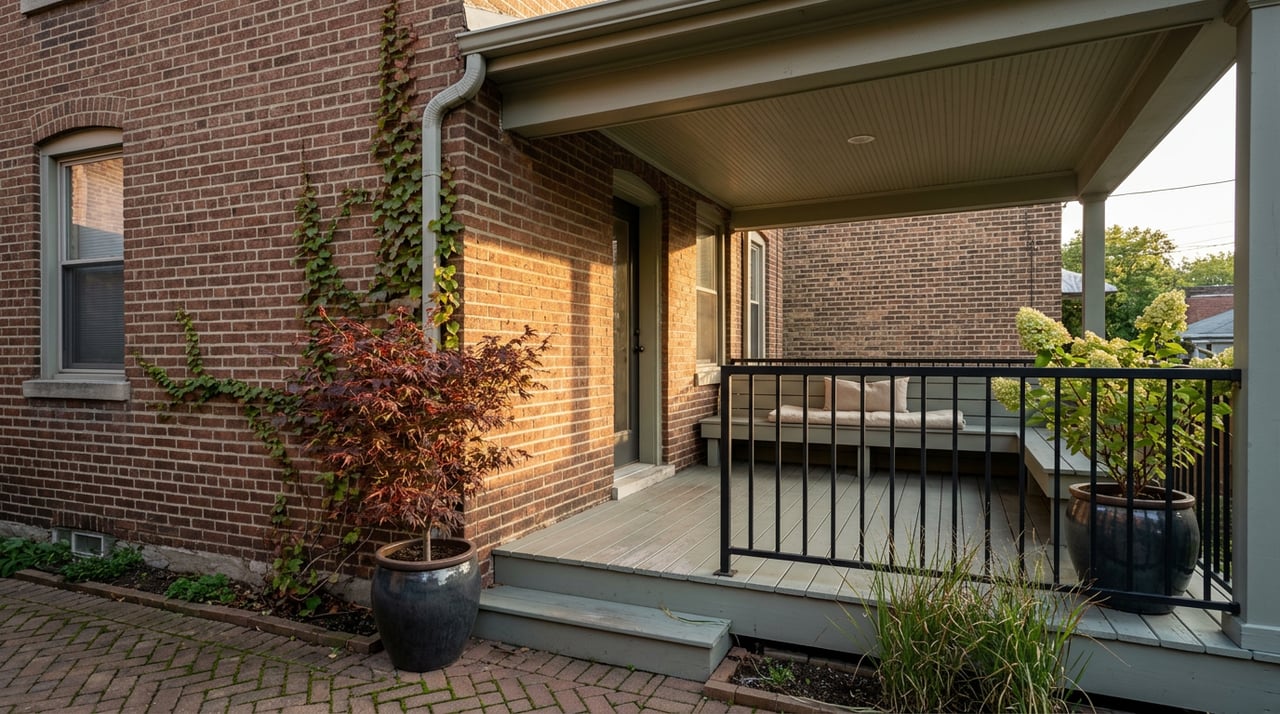
Many 2–4 unit buildings are century-era masonry walk-ups. Common big-ticket items include tuckpointing, roof membranes, boiler and heating systems, cast-iron plumbing stacks, and electrical upgrades. Rear porches and fire escapes also deserve a close look.
Permits, licensing, and RLTO
Confirm permitted unit count and occupancy classification with the City. Chicago’s landlord-tenant rules go beyond state law. Review City resources for rental licensing and the Residential Landlord–Tenant Ordinance on the City of Chicago website. For a broader consumer overview of rights in Illinois, see the Illinois Attorney General’s landlord-tenant information.
Utilities and metering
Verify which units are separately metered. In older buildings, landlords often pay water and sometimes heat. This can materially change your underwriting.
Environmental checks
For pre-1978 buildings, lead-based paint rules apply. Review federal guidance from the EPA on lead-based paint. Some older materials may also include asbestos. Plan for proper remediation if you are renovating.
Neighborhood and site risks
Blocks with heavier student populations can experience higher turnover and more active lease management. Parking is tight in parts of Lincoln Park. If you can offer onsite parking, it can be a value-add, but availability is limited.
Financing and tax planning for 2–4 units
Owner-occupants often have access to residential loan products for 2–4 unit buildings with more favorable down payments than investor loans. Review current program details with lenders and explore options through HUD’s FHA resources.
On taxes, many investors depreciate residential rental property over 27.5 years. Review IRS guidance on rental real estate at the IRS website, and speak with a tax advisor about cost segregation, capital gains, and 1031 exchanges. In Cook County, consider periodic assessment reviews and appeals using tools from the Cook County Assessor.
Should you self-manage or hire help?
Effective management improves returns by reducing vacancy, protecting compliance, and staying ahead of maintenance in older buildings. A local manager can handle pricing strategy, listing and marketing, tenant screening, RLTO-compliant leases, rent collection and accounting, maintenance coordination with vetted vendors, inspections, and deposit handling.
Expect management fees in the 6 to 10 percent range of rent, with separate leasing or placement fees. Clarify how maintenance is billed, approval limits, after-hours protocols, and termination terms.
For house-hackers, management can offload tenant-facing tasks and reduce legal risk while you live on site. For out-of-area owners, local management is often essential to keep timelines and service quality on track.
Due diligence checklist before you offer
- Complete rent roll, 12-month P&L if available, and all leases
- Security deposit records and tenant payment histories
- 12 months of utility bills, tax bills, and insurance declarations
- MLS comps for sold Lincoln Park 2–4 unit buildings with similar layouts and condition
- Building inspection by a Chicago multifamily-experienced inspector
- Lead and asbestos records if you plan renovations
- Title search and survey
- Permit history, municipal inspections, or violations
- Confirm permitted use and unit count and check for landmark restrictions
A quick example: how to run the math
Use these steps with your property’s actual data:
- GPR = sum of market rents for all units
- EGI = GPR minus vacancy and collection loss
- Expenses = taxes + insurance + utilities + management + repairs + reserves + admin/legal
- NOI = EGI minus Expenses
- Debt Service = principal plus interest payment
- Cash Flow = NOI minus Debt Service
- Cap Rate = NOI divided by Purchase Price
- DSCR = NOI divided by Debt Service
Set targets that match your strategy. Many conservative investors aim for DSCR at or above 1.25. In a premium location like Lincoln Park, cap rates can be lower, so weigh returns against stability and long-term appreciation potential.
Final take
Lincoln Park’s demand drivers support stable rents and occupancy, but the pricing, taxes, and age of housing stock require disciplined underwriting. Build your model with real comps, verify every expense, and set reserves that match the building’s condition. Keep an eye on City rules and plan for seasonal leasing dynamics.
If you want help sourcing, underwriting, or managing a 2–4 unit in Lincoln Park, reach out to Kelly Ladewig. Our team pairs neighborhood expertise with full-lifecycle services, including leasing and property management, to make ownership simpler and more predictable.
FAQs
What cap rate is typical for Lincoln Park 2–4 unit buildings?
- Prime Lincoln Park locations often trade at lower cap rates than city-wide averages because of strong demand and premium pricing. Use sold comps for similar 2–4 unit buildings to set your target range.
How do Chicago RLTO rules affect my leases in Lincoln Park?
- The RLTO adds requirements on deposits, notices, habitability, and more. Review City resources on the City of Chicago website and use compliant lease forms.
What vacancy rate should I underwrite for Lincoln Park rentals?
- On steady-demand blocks, 3 to 6 percent is common. For higher turnover or student-heavy areas, use 6 to 10 percent to reflect seasonal churn and make-ready time.
Can I use an FHA loan to buy a 3-flat if I live in one unit?
- Yes, many owner-occupants use FHA for 2–4 unit purchases, subject to qualification and current rules. Review program details with lenders and explore HUD guidance.
How much should I budget for annual reserves in an older Lincoln Park building?
- A conservative range is 1,500 to 3,500 dollars per unit per year, depending on age and known system needs like roof, masonry, plumbing, and heat.
How do Cook County property taxes impact small multifamily returns?
- Taxes are often the largest expense. Verify assessed value and recent bills through the Cook County Assessor, model realistic increases, and consider appeals when appropriate.