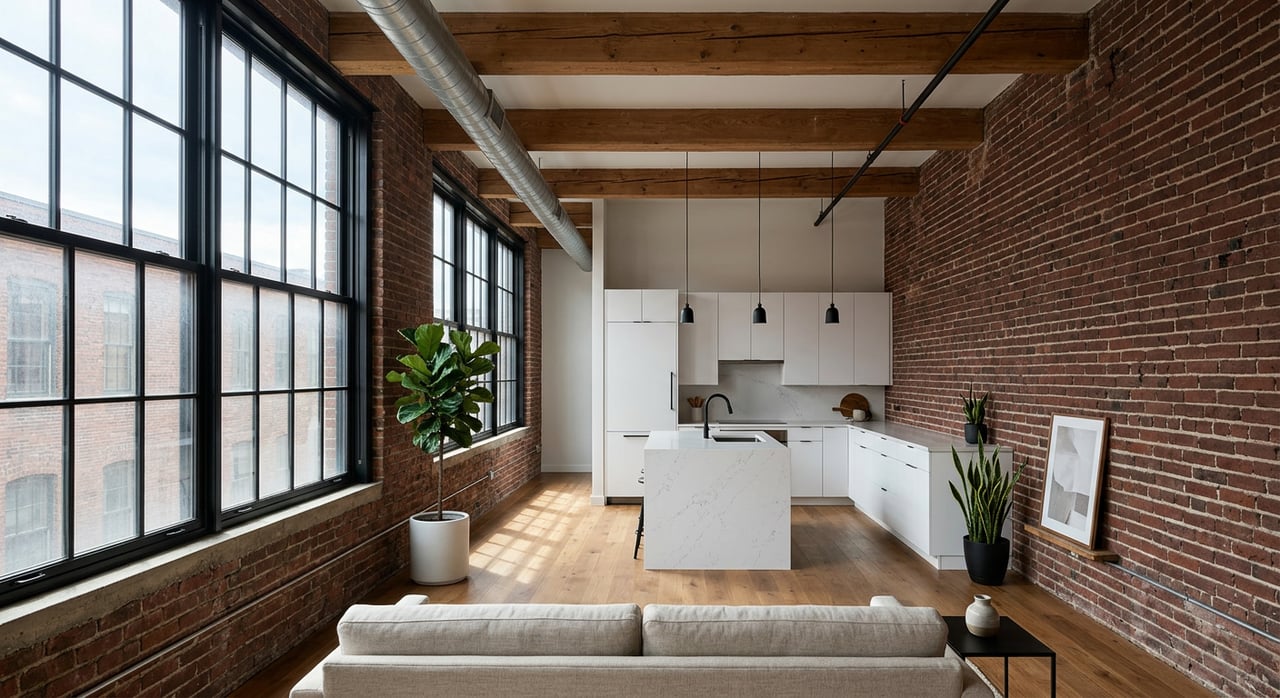
Torn between Bucktown and Wicker Park loft living? You love the brick, timber, and big windows, but you also want comfort, quiet, and a smart investment. You’ll learn how each neighborhood feels block by block, what “hard,” “soft,” and newer condo lofts really mean, and how to vet a building before you buy. Let’s dive in.
Bucktown vs. Wicker Park at a glance
Both neighborhoods sit side by side and share a strong arts, retail, and dining scene. Wicker Park’s Milwaukee, Division, and Damen corridors feel busier and more destination oriented, while Bucktown’s side streets read a touch more residential with more townhouses and newer buildings mixed in. The specific block often matters more than the label, as this neighborhood comparison explains.
Street energy and quiet
If you love being near nightlife and buzzy retail, focus near the Wicker Park hubs or Bucktown’s Damen and North avenues. For a calmer feel, look one or two blocks off the main corridors in either area. Walk the block morning, evening, and weekend to sample noise, traffic, and light.
Price and inventory snapshot
Both areas are upper‑tier Chicago markets. For example, Realtor.com reported median Bucktown prices around $775,000 in December 2025, and Wicker Park medians ranged from about $739,000 in December 2025 to near $799,000 in January 2026 per Redfin. Spreads swing with unit type, building age, and amenities, so ask for a fresh, building‑specific comp set before you write an offer.
Loft styles 101
Hard and timber lofts
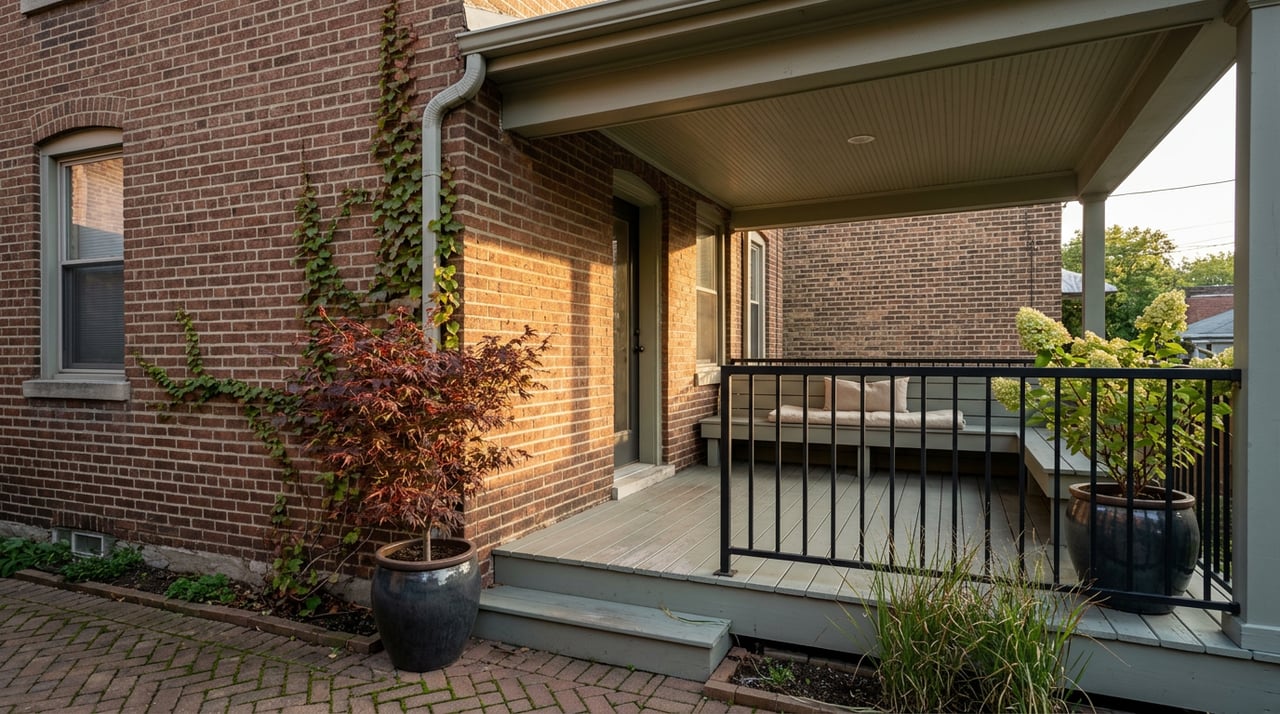
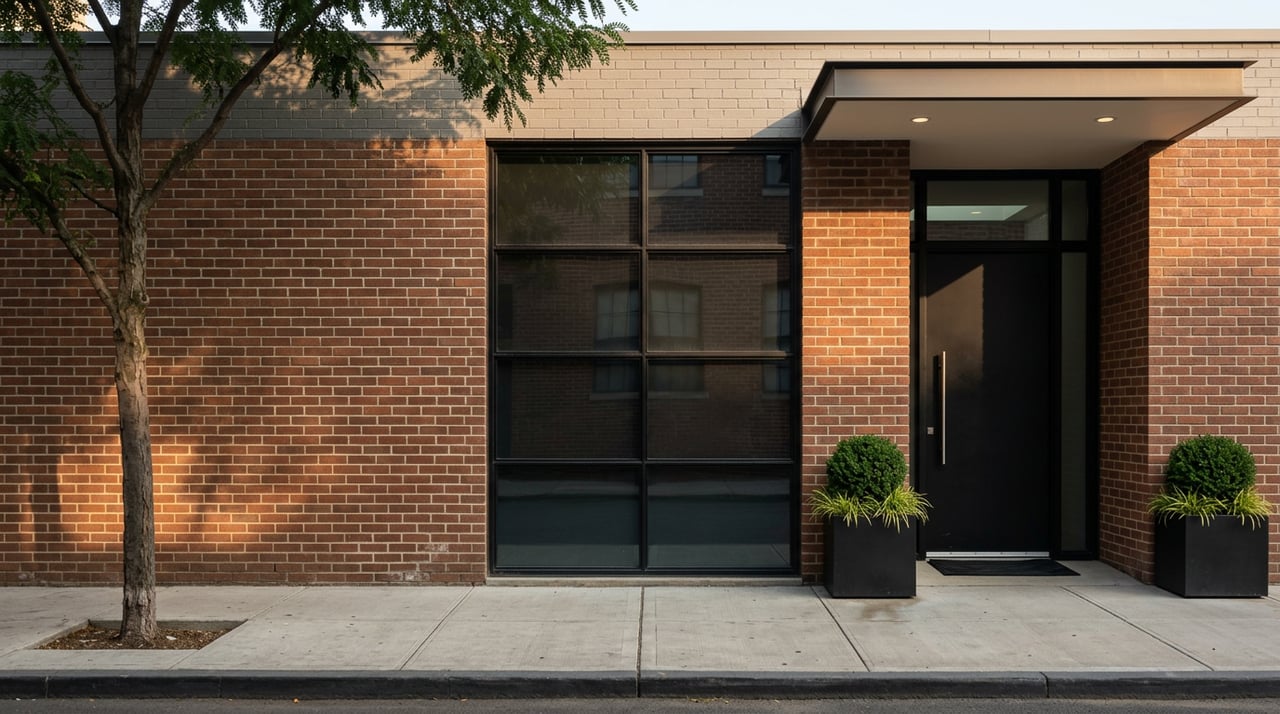
Hard lofts are true warehouse conversions with exposed brick, heavy timber or steel, concrete or reclaimed wood floors, and giant factory windows. You get volume, character, and history, often with open plans and fewer amenities. Mechanical systems and windows can be older, which may mean drafts in winter and less built‑in storage. Learn the core differences in this quick guide to hard vs. soft lofts.
Soft lofts
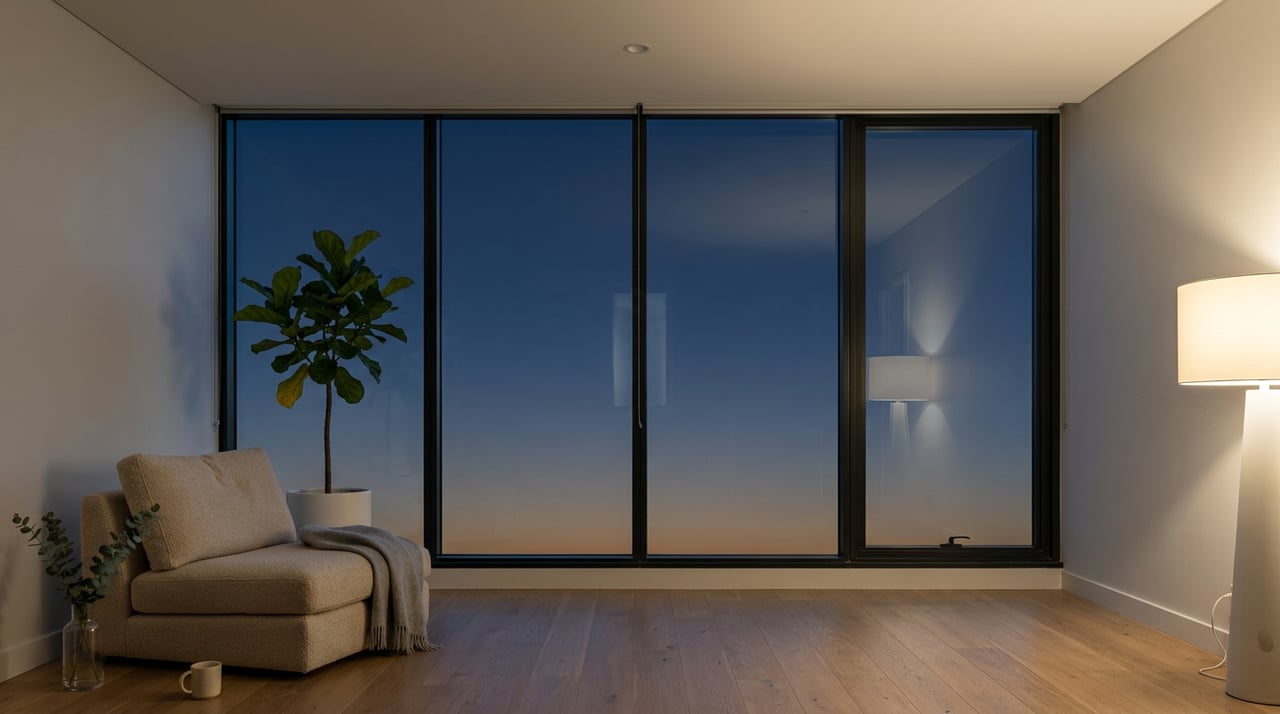
Soft lofts are newer buildings designed with loft vibes: tall ceilings, big windows, and open layouts, but with modern insulation, efficient windows, and conventional finishes. You’ll usually find elevators, fitness rooms, and roof decks. The tradeoff is higher HOA fees for those amenities and a look that reads more contemporary than “raw.”
Contemporary condo buildings
Many boutique mid‑rises in Bucktown and Wicker Park blend clean, modern design with a subtle loft feel. Expect centralized HVAC, better energy performance, elevators, parking, and wider amenity sets. Those features typically raise monthly HOA costs, which is normal and explained here: what HOA fees cover.
How building choice affects daily life
Daylight and windows
Hard lofts often deliver dramatic daylight thanks to oversized factory windows and high ceilings. Those windows can be single‑pane and drafty, so expect more heat loss in winter. Newer soft lofts and condos usually have double or triple glazing with better thermal performance, as outlined in the hard vs. soft lofts overview.
Sound and privacy
Brick, timber, and concrete look great but also reflect sound. In hard lofts, you may notice more echo inside the unit and more neighbor or street noise. Newer soft lofts and condos are often built with modern sound‑rated walls, floors, and windows that lower transmission.
Systems and energy use
Older conversions may still use legacy boilers, radiators, or original plumbing and wiring, which can raise maintenance uncertainty. Newer buildings tend to have centralized, documented systems with predictable upkeep and better efficiency. If you value comfort and lower near‑term surprises, a soft loft or newer condo will often fit better.
HOA costs and what they include
Amenity‑rich buildings with elevators, gyms, and staffed entries usually have higher monthly fees because insurance, utilities, and maintenance are shared. Vintage loft buildings may have lower base fees but fewer amenities and sometimes lean reserves. Always compare what the fee includes, not just the number. See a breakdown of what HOA fees usually cover.
Financing and resale
Some loan products have project‑level rules. If you need FHA or want flexibility later, confirm whether the association meets occupancy, reserve, and delinquency standards. This guide explains the basics of FHA condo approvals and single‑unit options.
Due diligence checklist for Chicago lofts
Do these steps early. They will protect your budget and your peace of mind.
Documents to request
- HOA governing documents: declaration, bylaws, rules and regulations, and rental policies. Confirm use restrictions before you fall in love with a unit.
- Budget, financials, and reserve study: Illinois law requires boards to provide for “reasonable reserves” and lists factors to consider. Read the budget and ask how reserves are set. Review the statute here: Illinois Condominium Property Act, Section 9.
- Insurance certificate: Understand what the master policy covers vs. what you insure.
- Special assessments: List of the last 5 years and any planned projects.
- Owner‑occupancy and delinquency: Some financing and resale dynamics depend on these ratios.
Questions to ask
- For the seller or listing agent: When were the roof and windows last replaced? Any history of water intrusion or freeze/heat issues? Ask for records.
- For the HOA or manager: What were the last three capital projects, how were they funded, and what is planned in the next 3 to 5 years? Is there any active or threatened litigation?
- Environmental: Was the building or unit ever tested for lead paint or asbestos? If yes, request the reports and any remediation records. For pre‑1978 properties, the EPA requires the “Protect Your Family From Lead in Your Home” pamphlet: lead safety guidance.
What to inspect on site
- Windows and sills: Look for drafts, fogging, or condensation. In top floors, check skylights and roof penetrations.
- Masonry and parapets: Water stains or efflorescence can signal expensive repairs.
- Ceiling height and storage: Measure walls for wardrobes and art; open plans can limit storage.
- Sound: Visit at multiple times to understand street and neighbor noise. A structured sound check can help if you are sensitive.
- Mechanical equipment: Age and service records for boilers, HVAC, water heaters, and elevator machinery.
Permits and occupancy
Conversions and major renovations require permits and a certificate of occupancy. Missing records can be a red flag for life‑safety issues or unpermitted work. Verify with the City of Chicago building records portal.
Additional environmental notes
- Lead paint: Required disclosures apply to most pre‑1978 buildings. Consider a lead risk assessment if young children or vulnerable occupants will live in the home. See the EPA’s lead safety pamphlet.
- Asbestos: Some older materials may contain asbestos. Plan inspections before renovation, since discovery can add time and cost. Learn more about asbestos rules and oversight.
Match your priorities to a building
- Choose a hard or timber loft if you want authenticity, tall ceilings, and original materials, and you accept more echo, potential drafts, and a bit more maintenance.
- Choose a soft loft or newer condo if you want a loft look plus modern windows, predictable systems, and amenities like elevators, parking, and roof decks, and you are comfortable with higher HOA fees for that convenience.
How to choose your location
- Test your daily rhythm: walk to transit, coffee, groceries, and parks from a few candidate blocks in both neighborhoods.
- Do a noise and light check at different times of day on the specific block you like.
- Compare HOA budgets, reserves, and any planned assessments for your short list.
- Confirm financing paths early if you need FHA or VA.
- Weigh total monthly cost: principal, interest, taxes, insurance, plus HOA.
- Consider resale: buyer demand is strong in both areas, but building condition, amenities, and rental policies can influence marketability.
Ready to tour?
If you want a curated list of Bucktown and Wicker Park lofts that match your style, budget, and noise‑comfort needs, we can help. We’ll preview buildings, pull live comps, and guide you through HOA and permit checks so you buy with confidence. Reach out to Kelly Ladewig and Let’s Go House Hunting.
FAQs
What’s the difference between hard, timber, and soft lofts?
- Hard and timber lofts are true warehouse conversions with original brick and beams, while soft lofts are newer builds with loft‑style layouts and modern systems. See a quick primer on hard vs. soft lofts.
How do HOA fees compare across building types in Bucktown and Wicker Park?
- Newer or amenity‑rich buildings often have higher monthly fees because they cover elevators, gyms, roof decks, and insurance, while vintage lofts may have lower base fees but fewer amenities; review what HOA fees usually include.
What legal documents should I review before buying a Chicago loft conversion?
- Ask for the declaration, bylaws, rules, current budget, financials, and reserve study; Illinois law requires budgets to provide for “reasonable reserves,” outlined in Section 9 of the Illinois Condominium Property Act.
How can I check permits or violations for a loft building?
- Use the City of Chicago’s public records to verify permits, inspections, and any open violations; start with the building records portal.
Are older Bucktown or Wicker Park lofts likely to have lead paint or asbestos?
- Many pre‑1978 buildings may contain lead paint and some older materials can include asbestos; confirm required lead disclosures and plan inspections before renovation using the EPA’s lead and asbestos guidance.
Can I use FHA financing to buy a loft condo here?
- Possibly, but the building must meet FHA project standards or qualify for a single‑unit approval; review the basics of FHA condo approval and verify eligibility early in your search.