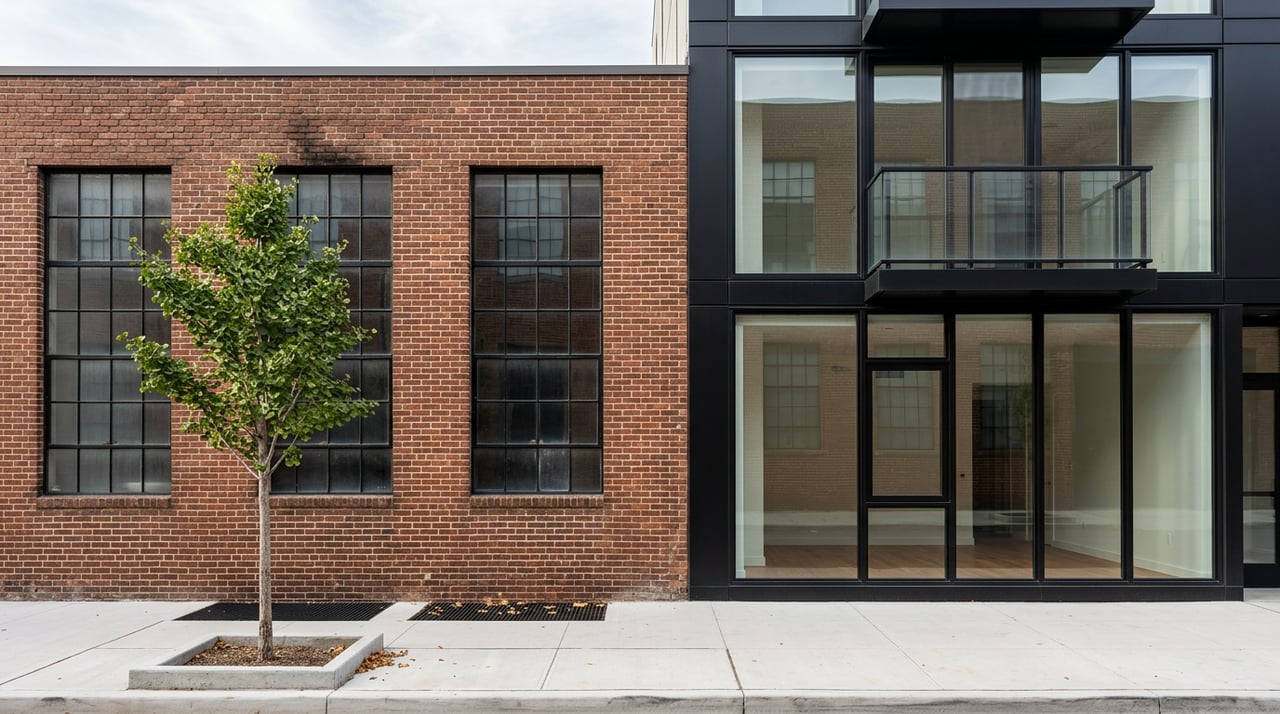
Torn between a glassy new condo and a brick-and-timber loft in Chicago’s West Loop? You’re not alone. In a neighborhood that blends Randolph Street’s Restaurant Row energy with restored warehouses and modern towers, many buyers face this exact choice. In this guide, you’ll compare layouts, amenities, soundproofing, costs, and long-term upkeep so you can buy with confidence. Let’s dive in.
West Loop context
The West Loop, including Fulton Market, has transformed from an industrial corridor into a high-demand urban district with dining, nightlife, and transit access. That mix is why your options often come down to character-rich lofts or amenity-rich new construction. For price context, Homes.com reports a mid-2020s median sale price in the neighborhood range of roughly $450,000 to $500,000, though values vary by sub-district and building type. You should confirm current MLS data for precise pricing. See the neighborhood overview on Homes.com’s West Loop guide.
Layouts and finishes
Loft conversions
Converted warehouses deliver soaring ceilings, large industrial windows, and the textures buyers love: exposed brick, heavy timber or concrete, and visible columns. The result is an airy, open feel that is hard to replicate in new builds. A representative example like Blue Moon Lofts shows hallmark features such as brick walls and generous volume in a former warehouse setting. Explore an example listing at Blue Moon Lofts.
The tradeoff is often privacy and storage. Many lofts have open primary bedrooms, partial walls, or mezzanines. Enclosed rooms and closets can be limited, and some layouts include stairs. Finishes in conversions vary widely, since many upgrades happen owner by owner. You’ll see a blend of authentic industrial materials alongside retrofit kitchens and baths.
New-construction condos
New builds usually offer defined rooms, multiple baths, enclosed bedrooms, and better closet planning. You’ll often find floor-to-ceiling windows, integrated appliances, quartz or porcelain surfaces, and efficient HVAC. Buildings also standardize finishes, which gives you consistent quality across units. For a snapshot of modern features and resident services, review a representative West Loop condo such as 123 S Green.
The flip side is you may trade raw square footage or volume for a more segmented, efficient plan. If you prioritize separate bedrooms, a home office, and storage systems, new construction tends to check those boxes.
Amenities and HOA costs
What you typically get
- New towers: amenity suites like doorman or concierge, fitness centers, lounges, co-working rooms, rooftop decks or pools, package rooms, and sometimes EV charging. Service levels can reduce daily friction.
- Loft buildings: more boutique feel with fewer shared spaces. Some add a roof deck or small gym, but many keep it simple.
How that affects monthly assessments
The more services and shared facilities a building operates, the higher your monthly assessment is likely to be. Boutique lofts often post more modest dues because they have fewer amenities and less on-site staff. Full-service towers tend to carry higher assessments that fund staffing, utilities, and amenity upkeep. As an illustration of the boutique pattern, see the example unit at Blue Moon Lofts. Always verify the specific unit’s assessment and what it covers.
Special assessments to watch
Special assessments are one-time charges for unplanned repairs or shortfalls. Illinois associations operate under state law that outlines board authority and owner rights. Review the building’s assessment history, reserve funding, and any notices of upcoming capital projects during your attorney review. For statutory background, see the Illinois Condominium Property Act.
Soundproofing and building systems
Acoustic expectations
Acoustical performance in multifamily buildings is commonly discussed using STC (airborne sound) and IIC (impact sound) ratings. Many modern projects target mid-50s performance for comfortable separation. Conversions vary: heavy concrete slabs can isolate airborne noise well, while older timber framing or open penetrations may transmit sound. For industry context, review AWCI’s acoustical guidance.
Practical steps:
- Walk the unit during peak hours, including evenings, to gauge neighbor and street noise.
- Ask whether hard flooring requires an underlayment and if there are IIC standards for renovations.
- Request any available field test results or acoustic construction details. For renovation rule examples, see this overview on floor sound issues in condo buildings.
Mechanical systems
- New towers: more centralized mechanical, electrical, and plumbing systems. The HOA maintains complex equipment for amenities and common areas. These systems can be expensive to repair and should be forecast in reserves.
- Loft conversions: often feature simpler, unit-level HVAC but may retain older plumbing or wiring. Budget for periodic modernization and capital work.
If you’re buying new, ask for the developer’s warranty information and what the association assumes after turnover. Many projects offer 1-2-10 style coverage, but terms vary. Learn the basics of these warranties via StrucSure’s 1-2-10 overview.
Reserves, assessments, and financing impact
A strong reserve study lowers the risk of surprise costs. Community Associations Institute recommends regular reserve studies and updated standards that help boards plan for roofing, HVAC plant replacements, elevator work, and more. Ask for the most current study, the reserve balance, and recent board minutes. Read more about reserve planning via CAI’s reserve study standards.
Illinois guidance outlines board powers and owner notices for budget and assessment decisions. Your attorney can help you review the association’s financials, special-assessment history, and any pending projects as part of contract contingencies. For additional context, see the Illinois Condominium Property Act.
Lenders and insurers also evaluate buildings. Projects with low reserves, large pending assessments, or significant litigation can restrict financing options. Get pre-approved and ensure your lender underwrites the building, not just your income and credit. For updates on project eligibility requirements, see CAI’s summary of Fannie Mae and Freddie Mac lender rules.
Long-term maintenance outlook
- Loft conversions: anticipate exterior masonry work, roof replacements, window upgrades, and, where applicable, elevator modernization and plumbing branch replacements. Some of these projects are costlier when historic materials are involved. Adaptive reuse can be very durable, but outcomes depend on consistent maintenance and reserves. See life-cycle planning guidance at the Whole Building Design Guide.
- New towers: plan for scheduled membrane roofing, HVAC plant replacements, elevator overhauls, and amenity refresh cycles. Higher operating budgets support service staff and amenities. Adequate reserves and disciplined planning are essential.
How to choose: a simple framework
Start by ranking your top priorities:
- If you want urban lifestyle with minimal daily friction, a doorman, and on-site amenities, lean toward a newer tower. Review a representative amenity set at 123 S Green.
- If you want character, large open volume, and a distinctive home and you do not mind a more hands-on ownership experience, consider a well-maintained loft conversion, like the feel you see at Blue Moon Lofts.
- If noise sensitivity, young children, or resale financing flexibility are high priorities, choose the building with documented acoustic strategies and a current reserve study, regardless of type. Refer to AWCI’s acoustical overview and CAI’s reserve standards.
Buyer scenarios in the West Loop
Young professional focused on fitness and dining
You want turnkey living, a gym downstairs, secure package handling, and quick access to Randolph Street. A modern condo with a solid amenity package can deliver that, often with efficient floorplans that fit a busy schedule. Confirm HOA dues versus included services and review any short-term rental rules if hosting is part of your plan. See a representative building profile at 123 S Green.
Growing household prioritizing space and separation
You need 2 or more bedrooms, sound separation, storage, and proximity to parks and schools such as Skinner West or Bennett Day. A newer condo with multiple baths and organized storage is a practical fit. A large loft can also work if it offers true enclosed bedrooms and safe stair layouts. Request the reserve study, ask about recent plumbing or electrical upgrades, and review acoustic details.
Downsizer seeking one-level convenience
You prefer elevator access, one-level plans, minimal maintenance, and a service-forward building. New towers or well-run boutique buildings with elevators and staff can check those boxes. A top-floor loft can also satisfy if elevator access is reliable and noise is well-managed. Review the association’s special-assessment history and what services your monthly assessment includes.
Due diligence checklist
Use this list to reduce surprises and strengthen your offer:
- Latest association budget, balance sheet, and a current reserve study with funding plan. See why reserve studies matter via CAI’s standards.
- Assessment and special-assessment history for the last 5 years, plus notices of pending capital projects. Illinois guidance explains how boards adopt special assessments under the Condominium Property Act.
- Building warranty terms for new construction, including any 1-2-10 coverage and transfer details. Learn the basics at StrucSure’s overview.
- Recent board meeting minutes to spot maintenance deferrals, litigation, or rule changes.
- Acoustic information, if available: any field STC/IIC tests and hard-floor underlayment rules. For context, review AWCI’s acoustical guidance and this piece on condo sound rules.
- Parking details: deeded vs. assigned, typical monthly cost if separate, and EV charging availability. Confirm elevator access and any accessibility features if that is a priority.
The bottom line
In the West Loop, you are choosing between two great lifestyles. Lofts deliver dramatic space and authentic texture. New construction offers everyday ease with services and smart planning. Your best choice aligns with how you live, your noise tolerance, your appetite for building-wide amenities, and your risk comfort around long-term upkeep.
When you are ready to compare specific buildings, lean on a local guide who knows the floorplans, assessments, and association health across this neighborhood. If you want a clear, low-stress path from touring to closing, connect with Kelly Ladewig. Let’s Go House Hunting.
FAQs
What is the main difference between West Loop lofts and new condos?
- Lofts are historic warehouse conversions with open volume and character, while new condos are purpose-built with defined rooms, standardized finishes, and larger amenity packages.
How do HOA assessments typically compare in West Loop buildings?
- Boutique loft associations often have lower dues due to fewer services, while full-service towers tend to have higher assessments to fund staff and amenities. Always verify the specific unit’s numbers and inclusions.
How can I evaluate noise levels before buying a condo or loft?
- Tour during peak hours, ask about flooring underlayments and acoustic ratings, and request any available sound test data. Industry guidance often targets STC and IIC in the mid-50s for comfortable separation.
What should I review in a building’s financials before buying?
- Request the current reserve study, reserve balance, last 5 years of assessments, pending capital projects, and recent board minutes. Strong planning reduces special-assessment risk.
Do new-construction condos in Chicago come with warranties?
- Many do. Ask for written terms that outline workmanship, systems, and structural coverage periods, plus transfer rules. Coverage varies by project and provider.