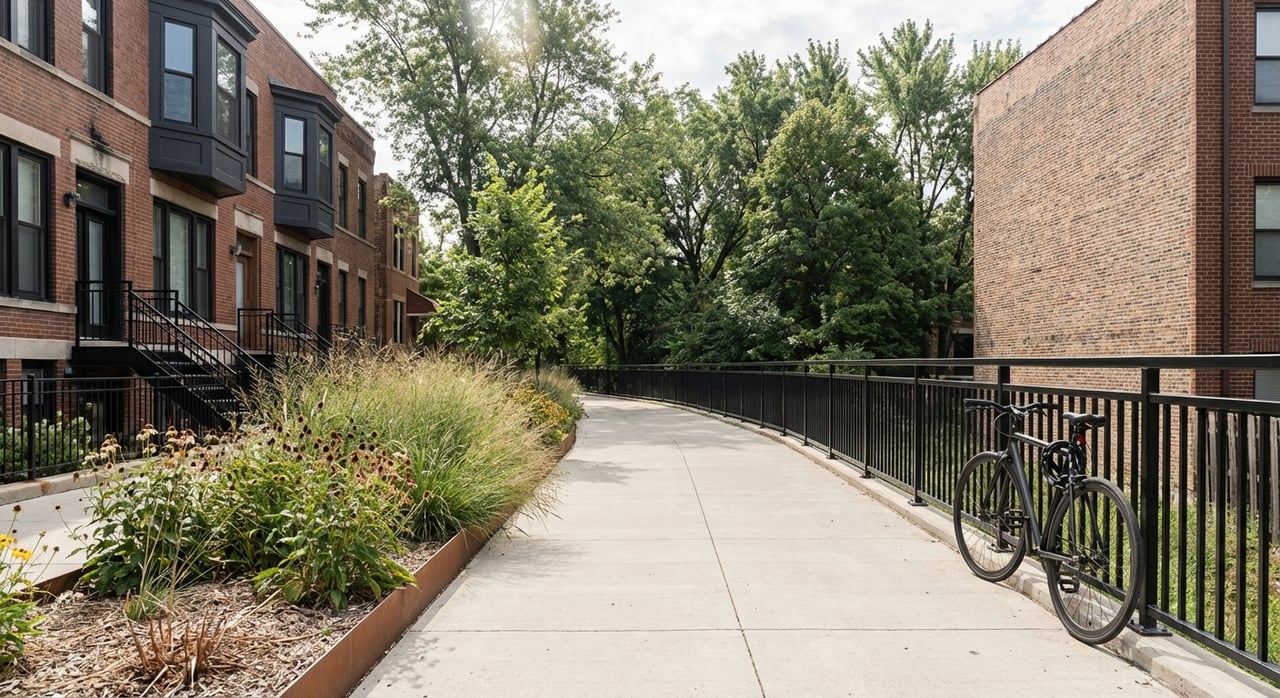
Picture starting your day with a quiet sunrise ride or jog on a leafy, elevated path, then grabbing coffee before your Blue Line commute. That ease is what draws so many people to life along The 606 in Bucktown and Wicker Park. If you are weighing a move here, you likely care about walkability, everyday convenience, and how trail proximity can affect price, noise, and privacy. This guide gives you a clear look at daily life, housing options, and smart tradeoffs so you can decide what fits your routine. Let’s dive in.
What living by The 606 feels like
Morning on the trail
Mornings bring a steady flow of walkers, runners, and cyclists along the 2.7‑mile Bloomingdale Trail. Many residents use it as a calm, traffic‑free segment of their commute to the CTA Blue Line or local offices. With multiple access points and small parks at street level, you can slip on and off the path to run errands or meet friends. Early hours tend to be neighborly and focused on exercise and workday starts.
Midday to evening energy
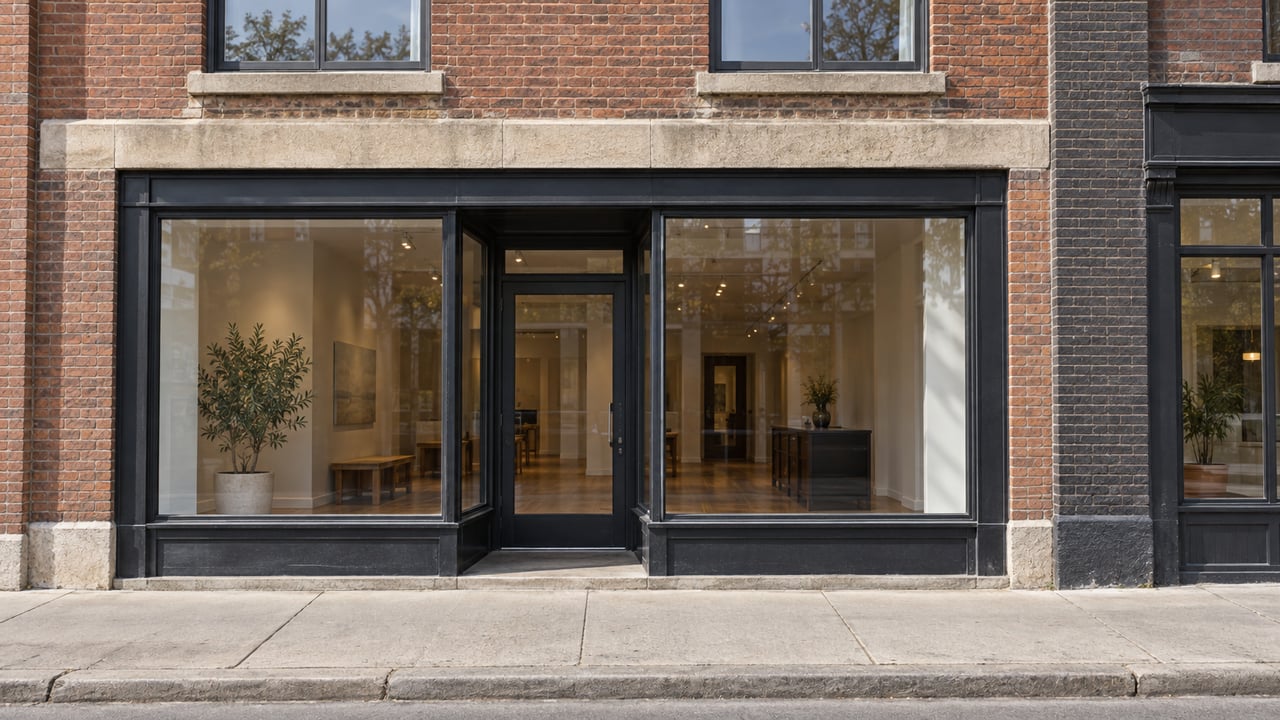
By lunch, nearby streets fill with people heading to cafes, boutiques, and patios. The Milwaukee–Damen–North corridor serves as a lively spine where you can walk for most errands instead of driving. As the day winds down, the trail sees an evening surge of joggers, families, and dog walkers. You will spot regular community events and temporary art pieces that add variety to the week.
Parks, kids, and pets
Small, ground‑level parks like Walsh Park and Park 567 serve as meeting spots, workout zones, and play areas. Expect more activity near ramps, playgrounds, and dog spaces, especially on weekends and sunny afternoons. If you prefer quieter pockets, you will find them on side streets set back from the access points. That mix lets you choose the right balance of buzz and calm.
Getting around without a car
Bucktown and Wicker Park rate very high for walkability, which shows up in the daily rhythm of locals on foot and bike. You can reach the CTA Blue Line at Damen or Western by a short walk, and Divvy stations near the trail make one‑way rides simple for errands or commutes. The 606 is designed to be reached on foot or by bike, not as a drive‑to destination, so plan for street parking norms if you own a car. The result is a neighborhood that rewards short trips and active transport.
The 606 basics to know
The Bloomingdale Trail links Ashland on the east to Ridgeway on the west, with a dozen formal access points and several pocket parks that double as gateways. Official hours are typically 6 a.m. to 11 p.m., with posted etiquette for shared use by walkers, runners, cyclists, and leashed dogs. You can review access maps, transit pointers, and visitor tips on The 606’s official site, and you can check hours and rules through the Chicago Park District. Those pages are useful when you plan move‑in day or test a potential commute.
- Review access and transit tips on the trail’s site: The 606 Getting There
- See hours, rules, and park details: Chicago Park District — Visit The 606
Housing near The 606: what you will see
Common property types
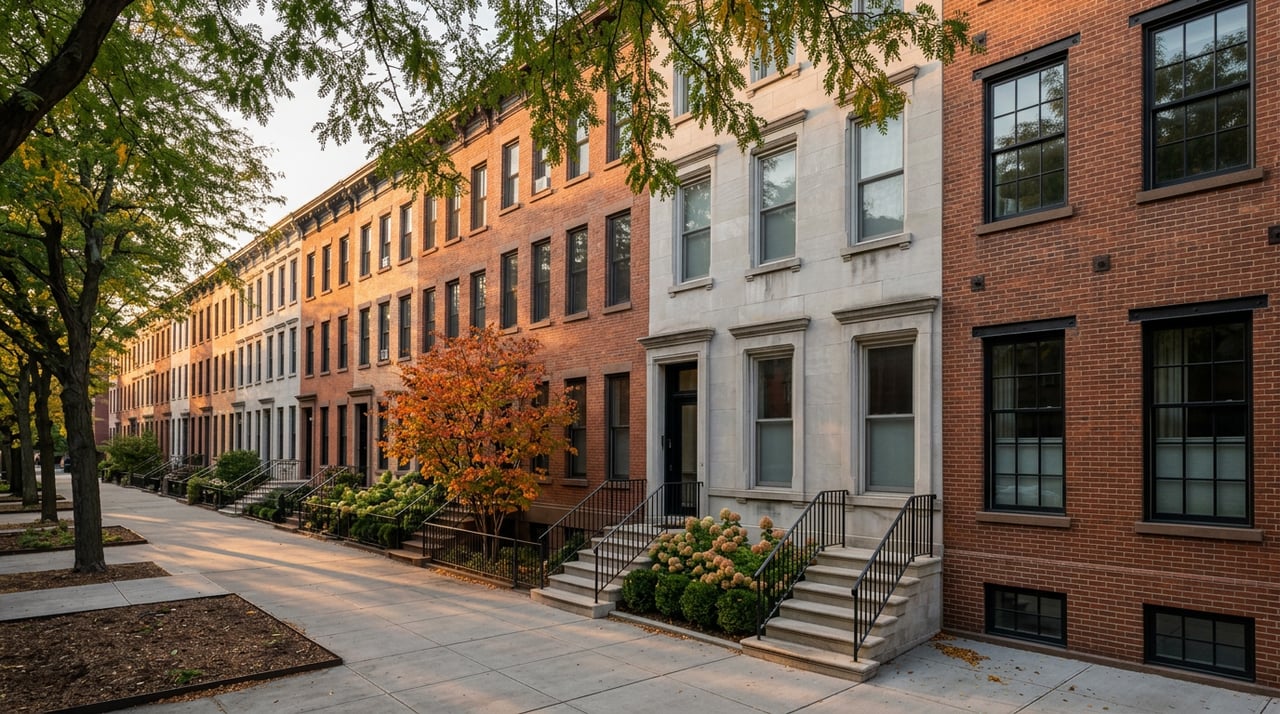
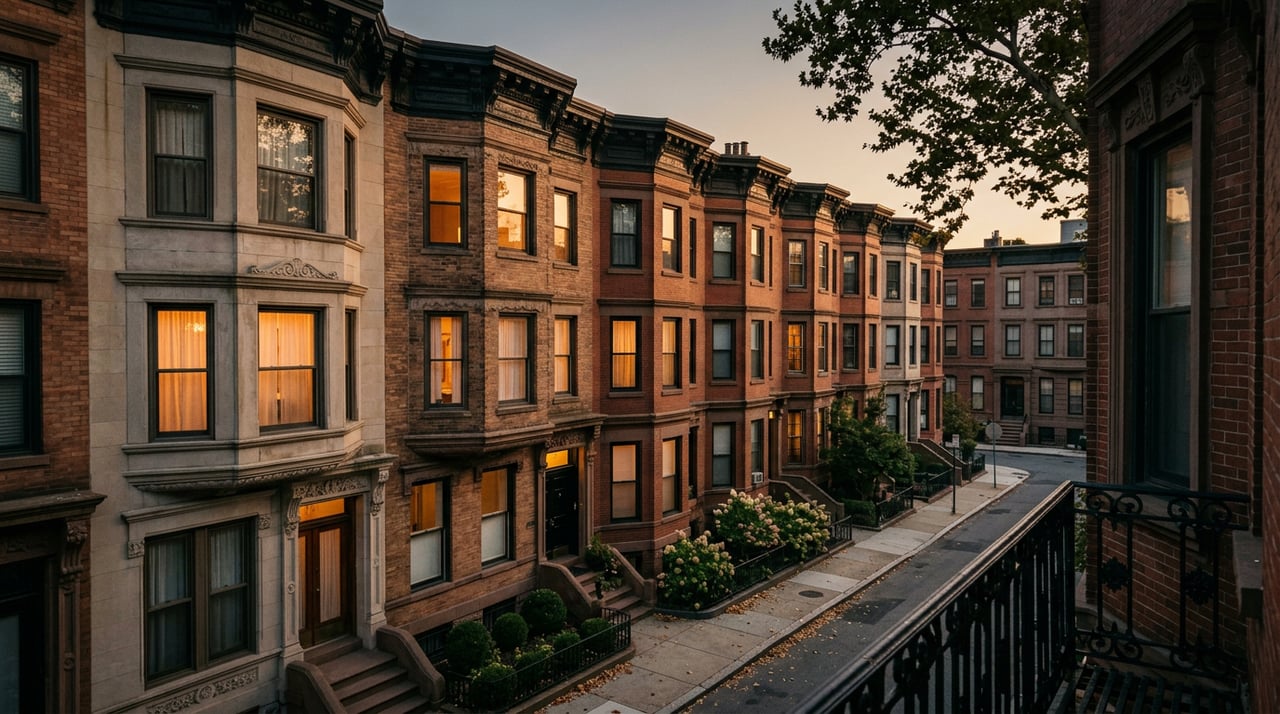
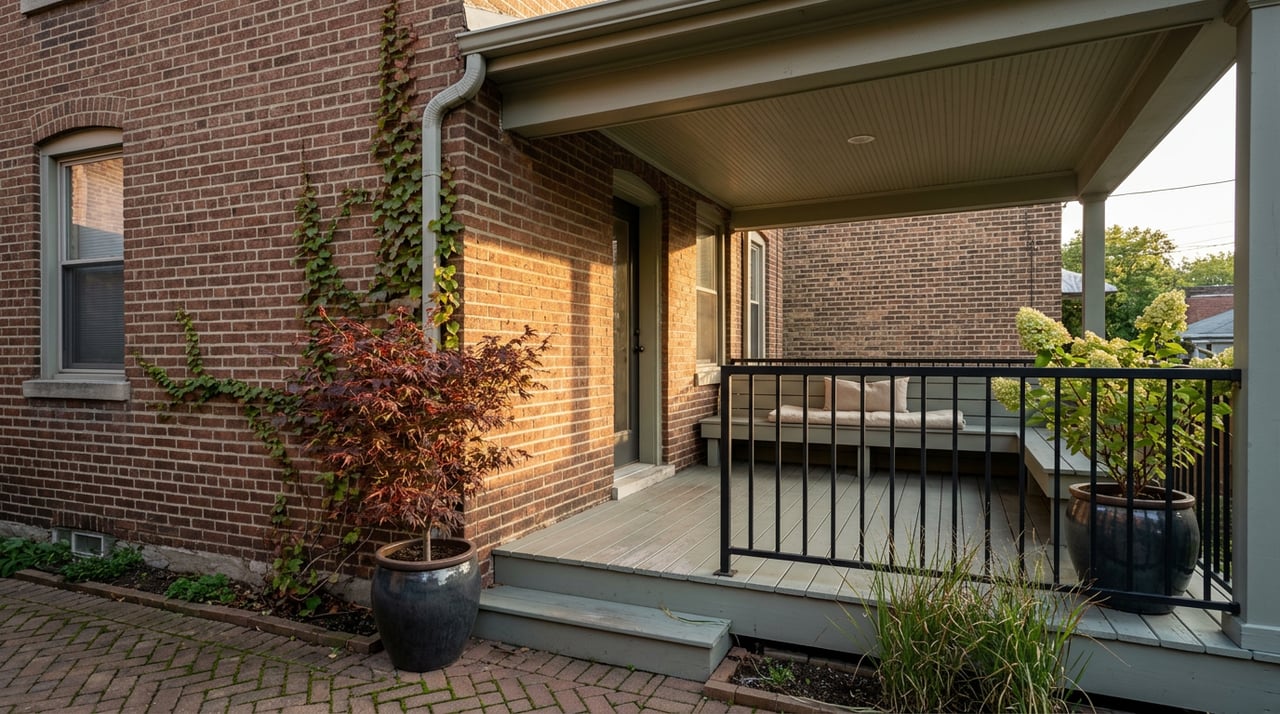
You will find classic greystone 2–4‑flats, converted vintage buildings, mid‑rise and boutique condo buildings, and modern townhomes on former industrial blocks. East of the trail, Bucktown and Wicker Park trend denser with condos and townhomes, while quieter side streets include single‑family homes and restored greystones. If you want private outdoor space, a newer townhome or a single‑family conversion can be a strong fit. If you value flexibility or rental income, a small multi‑unit can be attractive when available.
Price context and rents
As a reference point, Redfin’s neighborhood snapshot in January 2026 shows Bucktown’s median sale price around $725,000. Wicker Park has been similar, with recent medians around the mid‑$700,000s as of late 2025. On the rental side, RentCafe’s early‑February 2026 average for Bucktown sits in the low‑to‑mid $3,000s, while Wicker Park averages hover around the high‑$2,000s. These figures shift month to month, so re‑check the latest numbers when you start your search.
- Explore the market snapshot: Redfin — Bucktown Housing Market
- Check rent trends: RentCafe — Bucktown Average Rent
How proximity affects value
Research from DePaul University’s Institute for Housing Studies found a measurable price premium closer to the trail, with the sharpest effects within roughly one‑fifth of a mile. That narrow “zone of influence” explains why homes with direct trail views or immediate access often command more. A quarter‑mile or more away, the premium tends to taper, and you may find better value with only a short walk to a ramp. Your budget may stretch further if you are open to that slight step back.
- Read the analysis: DePaul IHS — Lessons from The 606
Tradeoffs by property type
Smaller 2–4‑flats have long offered more accessible entry points or owner‑occupant options. Near The 606, some of that stock has been vulnerable to teardown or deconversion to single‑family homes and luxury townhomes, especially where demand and premiums are strongest. City leaders have debated and, at times, enacted measures to slow rapid change in these areas. If you are weighing an investment or house‑hack strategy, factor policy shifts and local permitting into your plan.
- Background on policy response: Chicago Tribune coverage of demolition limits near The 606
Noise, privacy, and safety
Activity patterns and noise
Expect the most foot and bike traffic near access ramps, pocket parks, and any trail‑facing patios. Good weather and planned events bring larger crowds, especially in the late afternoon and on weekends. Official hours, posted etiquette, and regular programming help limit very late activity, but ground‑level units and lower floors with windows facing the trail will feel busier. If you want more quiet, look for inward‑facing floor plans, higher floors, or locations set back from ramps.
Safety, with context
A steady daytime presence can feel reassuring, and many residents see an active public space as a positive. At the same time, the trail has had isolated violent incidents, including a fatal shooting reported in 2019. The Park District and city have adjusted patrols and security strategies over time as use has grown. As with any urban setting, it helps to visit at different times of day and learn how the space is used near the address you are considering.
- Incident context: Chicago Sun‑Times report on a 2019 shooting on The 606
Buyer and renter tips for The 606
- Choose your distance. Homes right on the trail or within about one‑fifth of a mile often carry a premium. If you prefer value over direct access, look a quarter‑mile or more away and walk to the nearest ramp.
- Test it at peak times. Visit early morning, after work, and weekend afternoons. Open windows, listen for patio chatter, and check foot traffic by the closest access point.
- Study orientation and height. Inward‑facing layouts or higher floors can feel calmer while still placing you close to the action.
- Plan your commute. Try a real trip to the Blue Line at Damen or Western. If you bike, combine a 606 segment with Milwaukee or North for a protected route.
- Think multi‑modal. Divvy stations make one‑way rides easy for errands or nights out. A quick dock can beat parking on busy evenings.
- Know the rules. The trail is designed for access on foot or bike and not as a drive‑to attraction. Align your expectations around street parking and guest logistics.
- If investing, check policy. Rules around demolition or deconversions near the trail have shifted in recent years. Build local permitting and timing into your underwriting.
A quick, real‑world day
Start with a sunrise jog heading east from Park 567. Grab coffee near the Milwaukee entrance, then hop the Blue Line at Damen for a short ride downtown. In the evening, walk a few blocks for dinner on the Milwaukee–Damen–North corridor, then take a relaxed stroll home on the trail before closing time. It is a simple, walk‑first routine that makes neighborhood living feel easy.
Ready to explore listings near The 606?
Whether you are buying, renting, or investing, you deserve local guidance that balances lifestyle and budget with clarity. Our team knows which blocks feel lively, which streets stay quiet, and how trail proximity can shape value. If you want a tailored plan and a smooth process from tour to closing, reach out to Kelly Ladewig. Let’s Go House Hunting.
FAQs
Is living next to The 606 noisy?
- Activity is highest near access points, parks, and patios, especially in good weather and evenings; look for inward‑facing layouts or higher floors if you want more quiet, and visit at peak times to test it.
How does The 606 affect home prices in Bucktown and Wicker Park?
- DePaul’s Institute for Housing Studies found a clear proximity premium, with the strongest effects within about one‑fifth of a mile of the trail, and a tapering impact farther away.
What are typical home prices and rents near The 606?
- Recent snapshots show Bucktown’s median sale price around $725,000 as of January 2026 and Wicker Park in the mid‑$700,000s in late 2025; average rents trend in the low‑$3,000s in Bucktown and high‑$2,000s in Wicker Park, but re‑check current data when you search.
What are the hours and rules for The 606 trail?
- The trail typically operates 6 a.m. to 11 p.m., with posted guidelines for shared use by walkers, runners, cyclists, and leashed dogs; review the Chicago Park District page for details.
What is the best way to access The 606 without a car?
- Walk or bike from nearby streets, use the Blue Line at Damen or Western for rail access, and consider Divvy for one‑way rides to or from the trail.
Are there safety concerns on The 606?
- The trail sees steady daytime use, but there have been isolated incidents, including a 2019 fatal shooting; visit at different times and review recent local updates to understand the on‑the‑ground experience near a specific address.