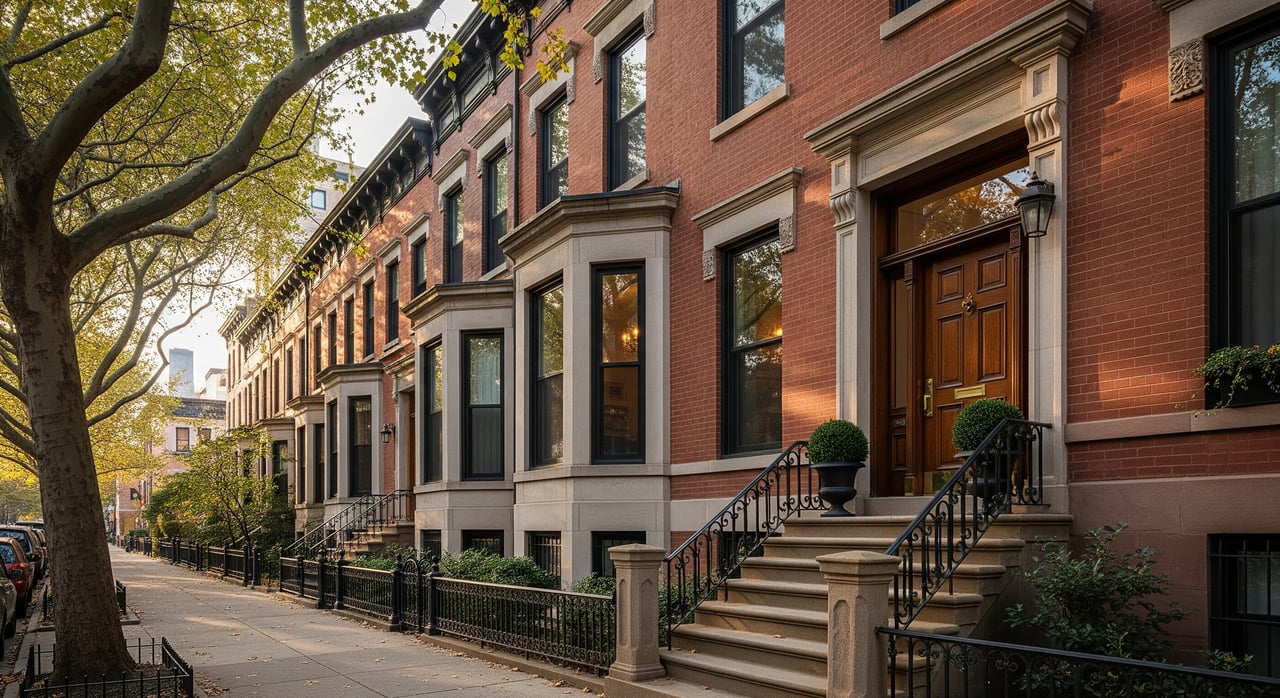
Love the character of a classic Chicago brick façade and the convenience of city living, but want more space and control than a condo offers? If you are eyeing a Lincoln Park rowhouse, you are not alone. These homes blend historic charm with a vertical, townhouse-style layout that fits an urban lifestyle. In this primer, you will learn what to expect from the architecture and systems, how to navigate zoning and landmark rules, what to prioritize in inspections, and how to weigh fee-simple rowhouses against condos. Let’s dive in.
What makes Lincoln Park rowhouses unique
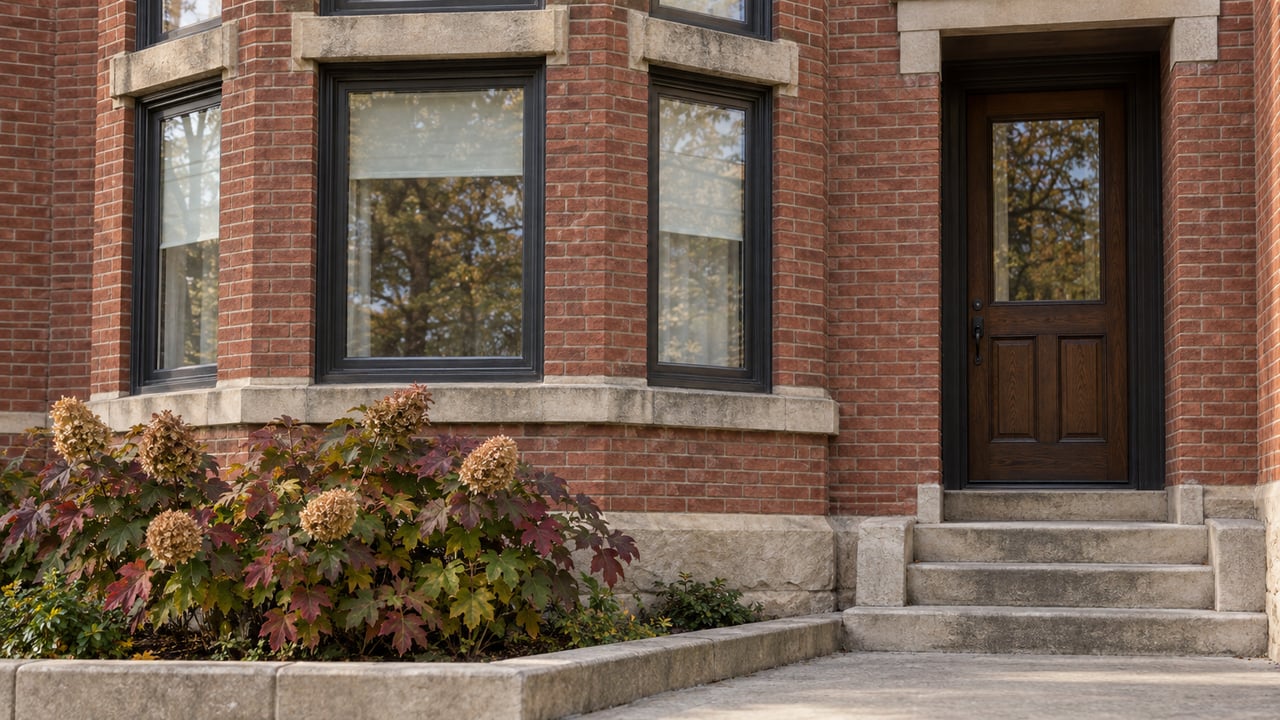
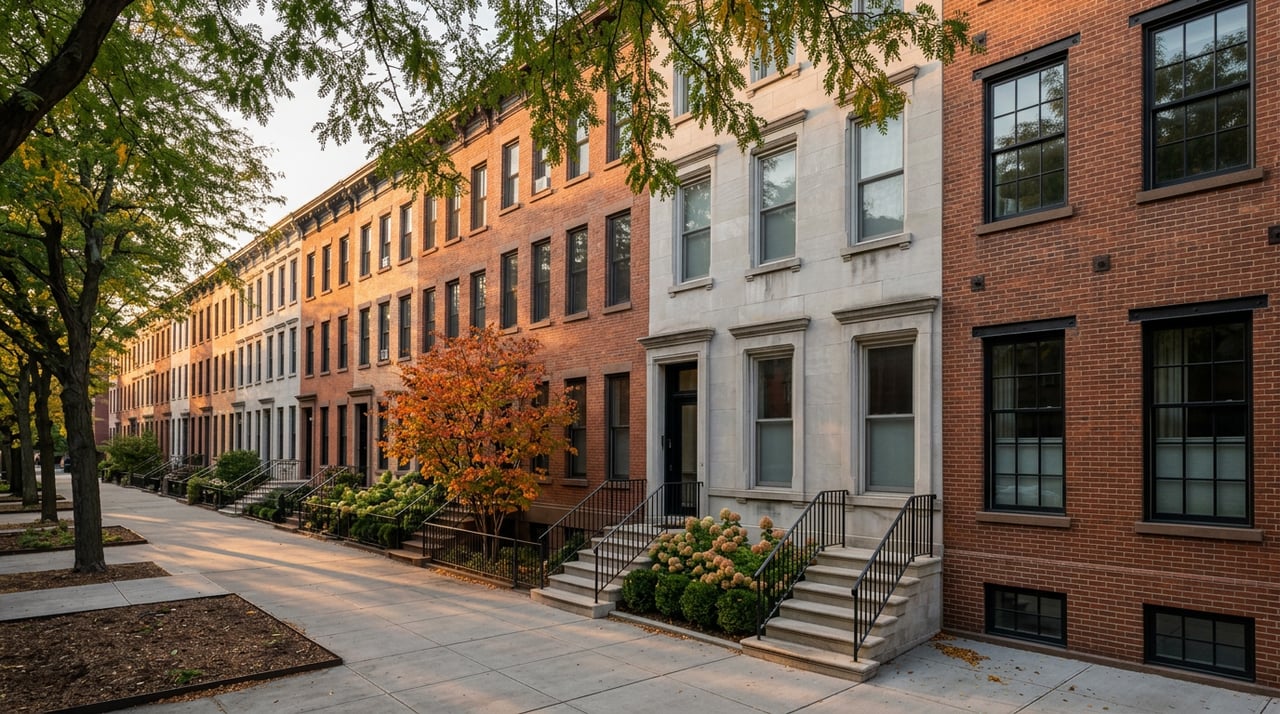
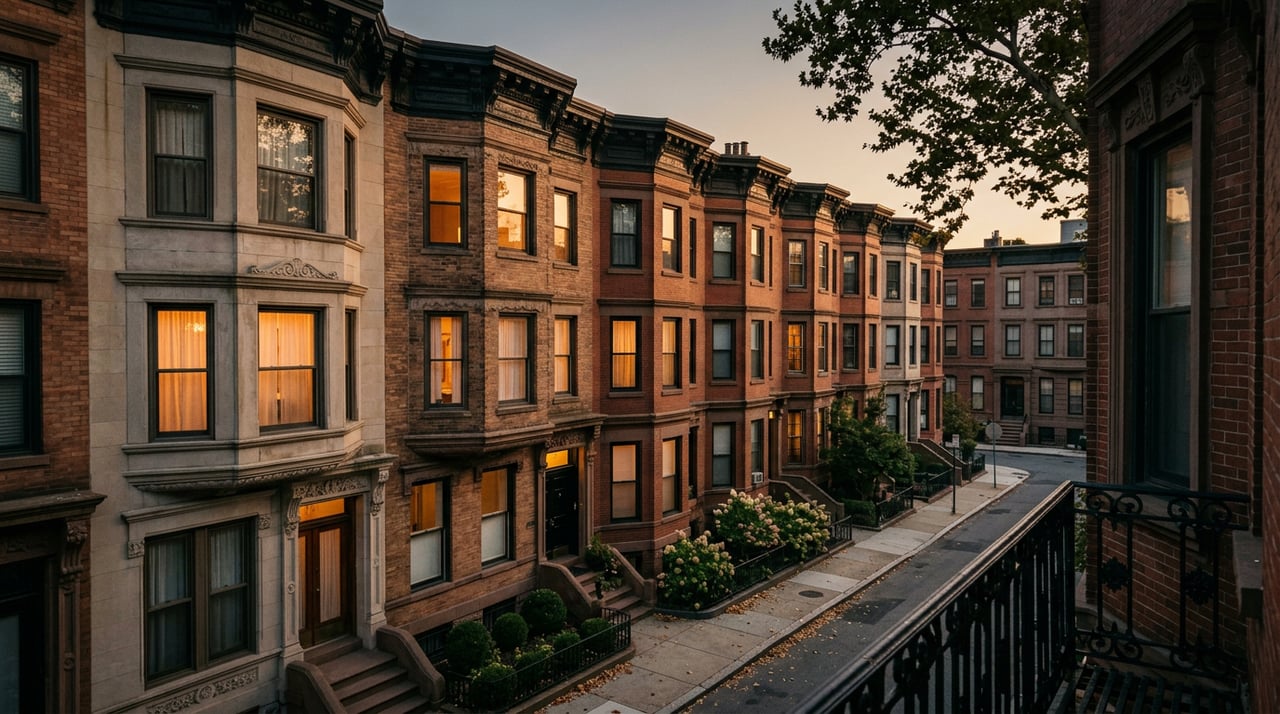
Lincoln Park rowhouses mostly date to the late 19th and early 20th centuries. You will find masonry construction with brick and occasional limestone details, two to four stories, and raised basements. Decorative cornices, stone lintels, and bay windows are common.
Lots are typically narrow with deeper yards. A historic Chicago lot width around 25 feet is common, though it varies by block. Many homes feature a small front yard or stoop, plus a longer rear yard that often connects to an alley.
The interior layout usually stacks vertically. Expect a raised basement for storage or mechanicals, a parlor level for living space, bedrooms on upper floors, and sometimes an attic or usable roof. Mechanical systems can range from original components to fully updated boilers, furnaces, or split systems. Plumbing and electrical upgrades are a common selling point.
Many rowhouses share party walls with neighbors. Sound transfer and fire separation are important considerations. Confirm whether shared walls are true party walls by deed or local practice.
Lot, zoning, and landmark checks
Rear alleys support much of the daily function of a rowhouse. They provide access to garages, trash pickup, and utility lines. Older neighborhood alleys often measure roughly 12 to 16 feet wide, but you should verify for any specific parcel. Alley conditions can affect parking options and renovation logistics.
Zoning shapes what you can do with a property. Chicago’s zoning determines allowable uses, density, lot coverage, setbacks, height, and floor-area ratio. For any home you consider, confirm the parcel’s zoning classification on the City of Chicago Zoning Map and review allowable uses, including whether the property is single-family, two-flat, or multi-unit. If you plan a remodel or roof deck, check limits on lot coverage, rear-yard setbacks, and height.
Some parts of Lincoln Park are designated landmarks or sit within landmark districts. Exterior changes, such as façade work, cornice repairs, or window replacement, may require review by the Commission on Chicago Landmarks and permits from the Department of Buildings. Even outside formal districts, conservation controls can apply. Verify whether a property sits within a regulated area before planning exterior work.
Ownership types matter. A fee-simple rowhouse conveys the land and structure to you, which means you are responsible for exterior and lot maintenance. Some buildings have been converted to condominiums, which shifts many exterior responsibilities to the association. Ask your attorney to review the deed for easements, party wall agreements, shared driveways, and recorded maintenance obligations.
Property taxes and permits flow through local offices. Confirm current tax status, any exemptions, and unpaid municipal assessments with the Cook County offices. Major exterior work, including cornice replacement, structural changes, HVAC penetrations, or garage reconstruction, typically requires permits. Historic-district work may need extra approvals.
Quick due diligence checklist
- Verify zoning, allowable uses, and height or setback limits.
- Check for landmark or conservation controls and required approvals.
- Confirm alley access rights, garage status, and any easements.
- Review title for party wall agreements and shared-maintenance obligations.
- Verify current taxes, exemptions, and municipal assessments.
Exterior systems to budget for
Older masonry buildings reward proactive care. Understanding the exterior systems will help you set expectations and budget.
Masonry and mortar
Brick and stone need regular attention. Deteriorated mortar joints, spalling brick, efflorescence, and failed flashing are common in older façades. Professional tuckpointing or repointing, lintel and sill repairs, and proper through-wall flashing and weeps are key. Plan to coordinate roof and gutter work with façade work to keep water out.
Cornices and rooflines
Decorative cornices, whether pressed metal, wood, or masonry, are beautiful but exposed. They can rust, warp, or loosen over time, and failures can create fall hazards or water entry at the top of the façade. Cornice repairs often involve anchor restoration, metal fabrication or replacement, repainting, and upgraded flashing. Significant cornice work usually requires permits, and landmark review may apply.
Roofs, chimneys, gutters
Flat or low-slope roofing needs careful inspection. Look for aging membranes, deteriorated flashing around parapets, chimneys, and cornices, and blocked gutters or missing downspouts. Water intrusion at the roofline can cause interior damage and speed up masonry decay. Check chimney stability, mortar, flue liners, crowns, and caps.
Windows, doors, porches
Original wood-sash windows are common. Some can be restored, and some are ready for replacement. In landmark districts, window replacement is regulated. Inspect front stoops and porches for structural condition, handrail safety, and water management at the entry.
Basements and drainage
Basements in older homes often show evidence of past moisture. Inspect grading around the home, downspout discharge distances, foundation cracks, and sump pump or drain tile performance. Rear yards and alleys can push runoff toward the house if grading is poor, so plan for drainage improvements where needed.
Garages and accessory structures
Rear garages accessed from alleys are common. Inspect framing, roof condition, electrical work, and confirm ownership or easements for access. Replacement or demolition of a garage may have zoning or permit implications, so verify rules before planning changes.
Inspections that matter
A thorough inspection plan will protect your budget and timeline. Start with a qualified home inspector experienced with older Chicago masonry homes.
Priority items for inspectors
- Foundation and structure. Look for visible cracks, settlement, or differential movement.
- Water intrusion. Check lower levels for stains, efflorescence, odors, and past repair marks.
- Roof and edges. Review roof membrane age, flashing, parapet coping, and cornice attachments.
- Masonry and façade. Assess mortar, spalling, bulging, lintels, flashing, and sills.
- Chimneys and fireplaces. Confirm stability, mortar, flue liners, and signs of leakage.
- Mechanical and electrical. Evaluate service panel condition, obsolete wiring, grounding, and capacity.
- Plumbing and sewer. Identify pipe materials, backflow conditions, sump and ejector pump function.
- Drainage and waterproofing. Verify interior or exterior systems and their condition.
Environmental concerns to consider
- Lead-based paint is possible in pre-1978 homes. Plan for testing and standard disclosures.
- Asbestos may be present in older insulation, flooring, or duct materials.
- Mold or mildew can develop where moisture is chronic. Track and fix the source.
Specialty inspections often worth adding
- Structural engineer review if you see signs of movement or significant cracking.
- Masonry or cornice specialist for façade or cornice issues.
- Chimney sweep and flue inspection for active fireplaces.
- Sewer-video inspection to evaluate older lateral lines.
- Pest inspection if there are signs of wood-destroying organisms.
Legal and record review
- Title search for easements, party wall agreements, and alley rights.
- Deed review for liens and restrictions that affect yard or alley use.
Condo vs fee-simple: choose what fits
Rowhouses in Lincoln Park may be fee-simple or part of a condominium. Your lifestyle, budget, and appetite for maintenance will guide the choice.
Ownership and control
- Fee-simple. You own the land and structure, including front and rear yards. You have more autonomy for exterior work, subject to zoning, landmark rules, and permits.
- Condominium. You own your interior space. The association maintains common elements and the exterior. Exterior alterations usually require board approval and may be restricted.
Maintenance and costs
- Fee-simple. You carry the full cost of the roof, façade, cornice, and yard. Historic-exterior tasks like tuckpointing or cornice repair can be significant.
- Condominium. Monthly assessments fund exterior maintenance, common insurance, and sometimes utilities. You may face special assessments for larger projects.
Financing and documentation
Lenders review condos and fee-simple properties differently. Condo loans often require project-level reviews, association financials, and meeting minutes. Confirm mortgage options and any condo project approval needs early.
Taxes and long-term value
Both are subject to Cook County assessments and local tax rates. Fee-simple owners capture land appreciation directly. Condos are assessed by unit value share. Either path can support long-term value when the home and building are well maintained.
Quick decision checklist
- Do you want control over exterior design and timing of repairs?
- Are you prepared to budget for roof, façade, and cornice upkeep?
- Would you prefer predictable monthly assessments and shared maintenance?
- Do planned renovations require zoning or landmark approvals?
- Does the property type align with your financing plan?
Buying game plan
A clear process will help you compare homes and make a confident offer.
- Get pre-approved so you can move quickly on a great home.
- Define must-haves like bed-bath count, outdoor space, and parking type.
- Verify zoning and any landmark or conservation controls for target addresses.
- Review exterior history. Ask about past tuckpointing, cornice work, roof age, and drainage upgrades.
- Schedule a home inspection and add specialty inspections as needed, including masonry, cornice, chimney, and sewer-video.
- Confirm taxes, exemptions, and any unpaid assessments with the county offices.
- Check for recorded easements, party wall agreements, and alley rights during attorney review.
- Build a maintenance plan. Prioritize roof and water management, then masonry and façade elements.
Work with a local guide
Lincoln Park rowhouses reward buyers who do their homework and partner with a team that understands historic masonry, zoning nuance, and alley-based living. You should not have to decode permits, inspections, and façade care on your own. With an education-first approach and full-lifecycle services, The Kelly Ladewig Group will help you find the right home, structure smart inspections, and plan for long-term care. Ready to explore Lincoln Park rowhouses with a clear plan? Connect with Kelly Ladewig and let’s go house hunting.
FAQs
What defines a Lincoln Park rowhouse?
- A narrow, masonry home from the late 19th or early 20th century, often two to four stories with a raised basement, decorative façade details, and alley access at the rear.
How do landmark rules affect renovations?
- In designated districts, exterior changes like façade, cornice, or window work often require review by the Commission on Chicago Landmarks and permits from the Department of Buildings.
Which inspections are most important for older rowhouses?
- Prioritize structure, roof, flashing, masonry, cornices, chimneys, electrical and plumbing systems, drainage, and sewer-video. Add specialist reviews if movement or façade issues appear.
What should I check about alleys and garages?
- Confirm alley width and access rights, garage ownership or easements, and the structure and electrical condition. Verify zoning and permit needs for any garage replacement.
How is a fee-simple rowhouse different from a condo?
- Fee-simple owners control the land and exterior, taking on full maintenance costs. Condo owners manage interiors while the association maintains exteriors, funded by assessments and subject to board approvals.
Can I add a roof deck on a rowhouse?
- It depends on zoning limits for height, lot coverage, and setbacks, plus permit requirements. Landmark or conservation areas may require additional review before approval.