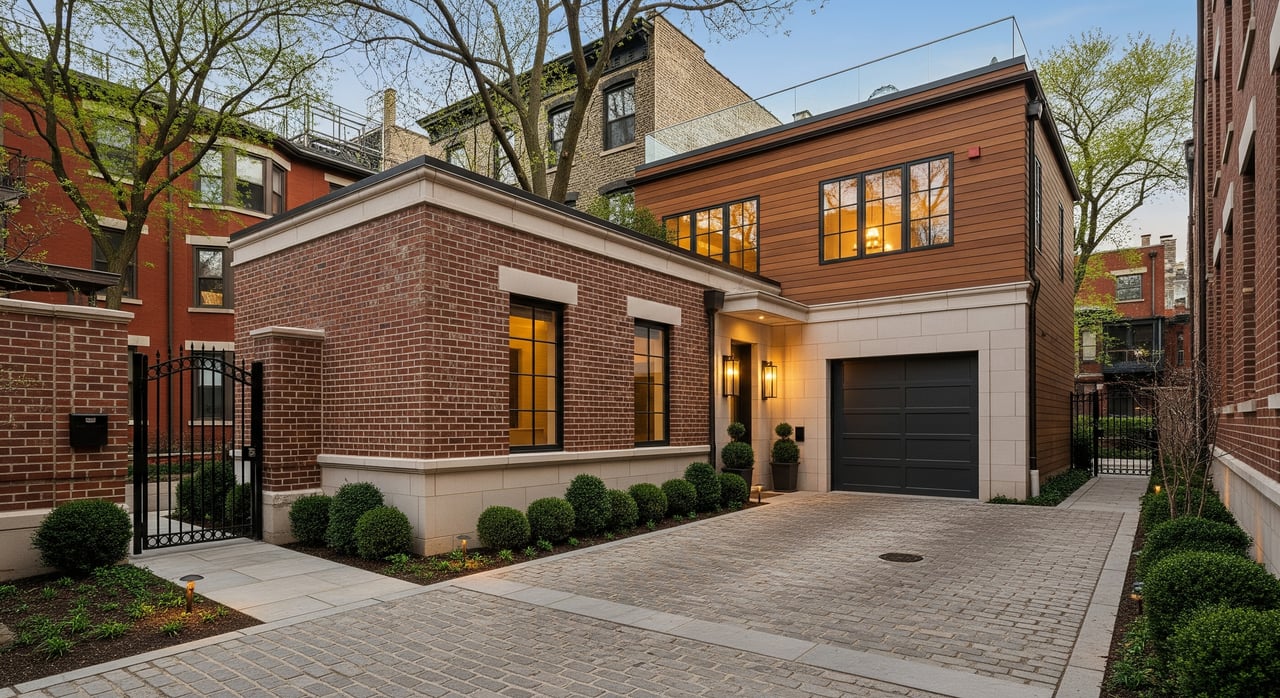
Thinking about buying a Lake View home with a coach house out back? You’re not alone. These alley-facing gems offer privacy, flexible living space, and potential rental income, but they also come with rules and risks you need to understand. In this guide, you’ll learn what defines a coach house in Lake View, how legal status drives value, what to check with utilities and permits, and how to plan your financing and insurance. Let’s dive in.
What a coach house is in Lake View
A coach house is a small, detached accessory building along the alley behind a main residence. Many were built in the late 1800s and early 1900s, originally for carriages or early garages with living quarters above. In Lake View, you’ll see them behind two-flats, greystones, and Victorian-era homes.
Today, many coach houses function as studios or one-bedroom apartments above a garage, or as fully converted small units. Typical size ranges from about 300 to 900 square feet. Layouts are compact and often feature an exterior stair and an alley-facing entrance.
Why coach houses appeal
Coach houses offer privacy and flexibility. You can use one as a guest suite, home office, multigenerational space, or potential rental. Many also include private parking or a garage at the alley, which is a real convenience in Lake View.
At the same time, coach houses vary widely in age, condition, and legality. The charm and utility can be a win if everything is permitted and safe. If not, you may face extra costs to bring the building up to code.
Legal status drives value
The single most important factor is whether the coach house is a legal, permitted, code-compliant dwelling. This status affects financing, insurance, taxes, and resale.
Zoning and permitted uses
Chicago’s zoning rules determine whether a detached alley structure can be used as a dwelling or only as an accessory building. Ask for the property’s zoning designation and confirm whether accessory dwelling use is allowed. If a coach house is an unpermitted conversion, you could be restricted from renting or occupying it as a separate residence.
Permits and certificates
Request the building’s permit history from the Department of Buildings. Look for building permits, change-of-use approvals, and trade permits for electrical, plumbing, and HVAC. A missing or incomplete permit history is a red flag. If the seller cannot produce documentation, factor in the time and cost to legalize the space.
Historic and landmark review
Parts of Lake View include properties near or within landmark districts. Exterior changes to a coach house may require review by the Commission on Chicago Landmarks. If you plan to modify windows, roofing, siding, or add dormers, check review requirements before you buy.
Utilities, systems, and safety checks
Coach houses can have separate or shared utilities, and that setup impacts rental potential and lender approval. Older structures also bring system upgrades to the forefront.
Separate metering matters
Confirm whether electric, gas, and water are separately metered. Separate meters simplify rental arrangements and underwriting. Shared systems complicate billing, valuation, and legal rental use.
Plumbing and sewer
Alley-level drainage and older sewer laterals can cause backups. Ask about past flooding or sewer issues. Verify locations of clean-outs and the presence of a backflow prevention device.
Electrical and HVAC
Older panels, fuses, or knob-and-tube wiring are signs you may need electrical upgrades. Many coach houses have independent furnaces and A/C units. Check service size, equipment age, and whether recent work was permitted.
Fire safety and egress
For legal occupancy, coach houses must meet safety standards. Confirm working smoke and carbon monoxide detectors, adequate exits, and egress windows in sleeping areas.
Site and alley considerations
Alley conditions matter. Look at width, paving, lighting, and drainage. Poor drainage can increase flood risk. If multiple parcels rely on the same access, review any easements or shared drive language in the deed. For parking, confirm that the garage or pad is legally part of the parcel and that access is not restricted.
Financing, insurance, and taxes
Coach houses can unlock value, but only when lenders, insurers, and assessors can verify what you’re buying.
Financing and rental income
Many lenders finance properties with coach houses if the use is legal and documented. If you plan to count rental income, you’ll need a legal rental unit and supporting documents like leases. Missing permits or shared utilities may limit loan options or require a larger down payment.
Insurance choices
Disclose the accessory structure to your insurer. If the coach house is occupied, you may need extra liability coverage or a dwelling-fire policy for rentals. Short-term rentals often require specialized coverage. Insurers may also require proof of fire separation and alarms.
Taxes and assessments
Coach houses typically increase assessed value. Review the Cook County Assessor’s records to see how the building is counted and how it impacts your tax bill. Ask about any special assessments tied to alley improvements or infrastructure.
Valuation and resale
A legal, well-maintained coach house can boost value by adding parking, private space, or rental income. It can also widen your future buyer pool to include investors or multigenerational buyers. On the other hand, an unpermitted or noncompliant unit can reduce value, shrink financing options, and slow your sale. Your pricing strategy should reflect legal status, condition, utility setup, and realistic rental projections.
Due diligence checklist for Lake View buyers
Use this checklist to evaluate any property with a coach house.
- Property records and zoning
- Pull the parcel PIN and deed; note easements, shared drives, and restrictions.
- Confirm zoning designation and whether accessory dwelling use is allowed.
- Permits and occupancy
- Request permit history from the Department of Buildings.
- Ask for Certificates of Occupancy and trade permits for conversions.
- If permits are missing, price out legalization with a licensed architect or contractor.
- Utilities and meters
- Verify separate meters for electric, gas, and water.
- Ask about sewer lateral condition, backup history, and drainage.
- Physical inspection
- Hire an inspector experienced with alley buildings and accessory units.
- Consider a sewer scope, HVAC evaluation, structural review, pest inspection, and lead paint testing for pre-1978 structures.
- Check fire separation and egress.
- Insurance and financing
- Speak with lenders early about accessory unit underwriting.
- Get insurance quotes that match your intended use, including rentals.
- Local rules and context
- Contact the local alderman’s office for alley projects or past enforcement.
- Verify landmark review if the building is in or near a district.
- Confirm short-term rental rules with the city if that is part of your plan.
- Market comps and income analysis
- Review sales of Lake View properties with legal coach houses.
- Build a conservative rent projection, vacancy assumptions, and a cap rate estimate.
- Closing and after purchase
- If status is unclear, consider an escrow holdback for legalization or negotiate price.
- For investments, plan for rental registration, licensing, and inspections.
Who to call in Chicago
- City of Chicago Department of Buildings for permits and inspections
- City of Chicago Zoning/Department of Planning and Development for zoning and Title 17
- Commission on Chicago Landmarks for exterior changes in landmark areas
- Cook County Assessor for assessed value and tax records
- Cook County Recorder/Clerk for deeds and easements
- Local alderman’s office for neighborhood and alley issues
- Department of Streets and Sanitation for alley maintenance
- Local professionals: real estate attorney, architect or contractor familiar with DOB, lender experienced with accessory units, and an inspector with coach-house experience
When renting is the plan
If you intend to rent the coach house, start by confirming legal status and separate utilities. Then map out rental registration and inspection requirements. Build a reserve for maintenance, insurance, and potential upgrades that insurers or the city may require.
If you want a seamless path from purchase to rent-ready, The Kelly Ladewig Group can help you understand the rental landscape during your search and connect you with service providers. If you later need leasing and management support, KLG Rentals offers options for placement and property management.
Ready to explore coach houses?
A Lake View property with a coach house can be a smart, flexible choice when the details check out. With the right due diligence, you can protect your financing, insurance, and long-term value while enjoying privacy and possibility out back. If you want a local guide to help you evaluate options and navigate the steps, reach out to the team that does this every day. Connect with Kelly Ladewig to start your search.
FAQs
What is a coach house in Lake View?
- It is a small, detached alley building behind a main home, often with a garage at ground level and a compact studio or one-bedroom apartment above.
Can a Lake View coach house be rented legally?
- Possibly, but it depends on zoning, permits, and code compliance; confirm with the city before relying on rental income.
How do lenders view homes with coach houses?
- Many will finance them if the coach house is legal and documented, and some may require separate meters or proof of long-term rental viability.
Do coach houses increase Chicago property taxes?
- Typically yes, since the additional structure can increase assessed value; verify details with the Cook County Assessor.
What inspections are most important for older coach houses?
- Hire an inspector experienced with accessory units and consider a sewer scope, electrical and HVAC evaluations, and checks for fire safety and egress.
What are common red flags in coach houses?
- Missing permits, outdated electrical, sewer backup history, poor insulation or moisture issues, and structural changes that violate setbacks or lot coverage.