You can walk a few blocks in Bucktown and Wicker Park and pass a raised workers’ cottage, a classic brick flat with bay windows, an industrial loft, and a newer single-family home on the same outing. That mix is part of what makes this pocket of Chicago so interesting, especially if you are trying to decide what kind of home fits your lifestyle. If you are house hunting here, understanding how these home styles developed can help you read listings more clearly and narrow in on the right fit faster. Let’s dive in.
Why Bucktown and Wicker Feel So Mixed
Bucktown and Wicker Park do not read like neighborhoods with just one signature housing type. Instead, they show layers of development from the post-Fire period through the early 20th century, followed by rehab, adaptive reuse, and newer infill.
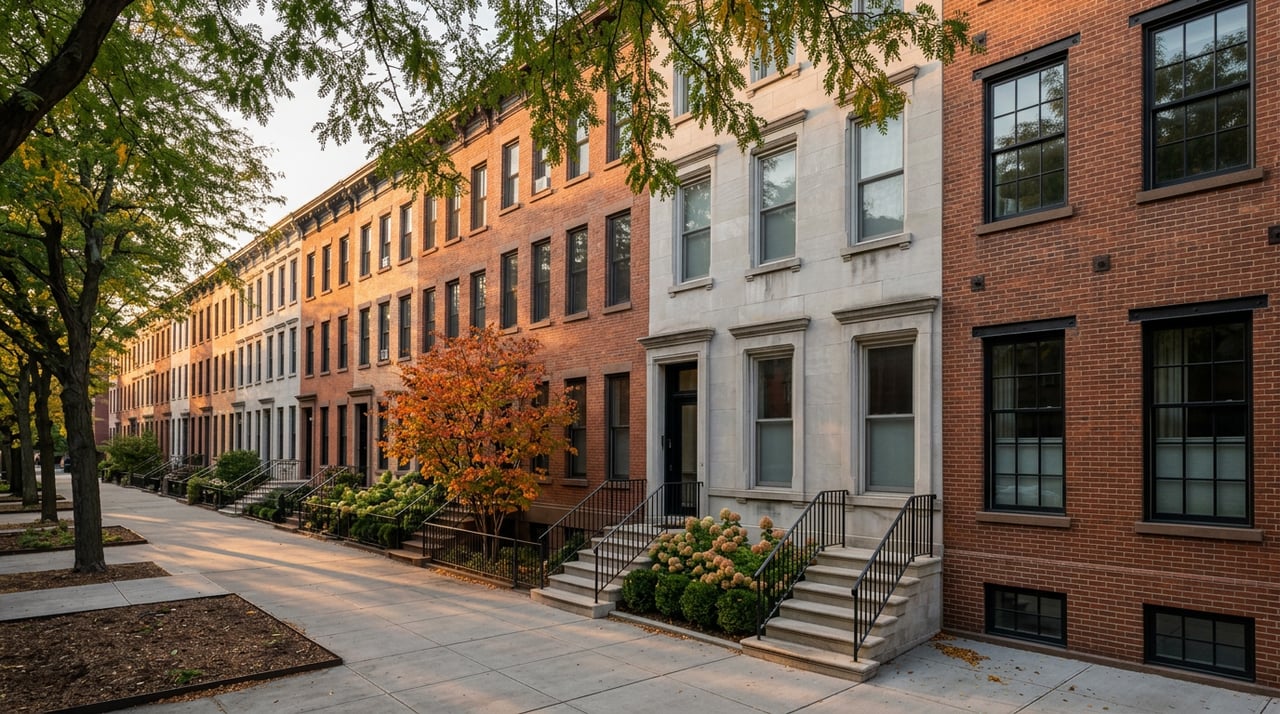
Chicago describes the Wicker Park District as a landmark district built roughly from 1870 to 1930, with a wide variety of styles and materials. That helps explain why the area feels architecturally rich rather than uniform, with older brick-and-stone homes sitting alongside loft buildings and more contemporary residences.
Wicker Park and Bucktown are also shaped by their broader setting. Wicker Park is part of West Town, Bucktown is part of Logan Square, and the Blue Line and 606 help reinforce the area’s walkable, transit-oriented feel.
Workers’ Cottages in Bucktown
One of the earliest home types you may spot in Bucktown is the workers’ cottage. These homes were built from the 1870s through the 1910s for working- and middle-class homeowners and remain an important part of the neighborhood’s older residential layer.
A typical Chicago workers’ cottage is about one-and-a-half stories tall, gable-fronted, and built on a narrow lot that is often around 25 feet wide. Many have compact footprints and floor plans that feel more segmented than what you see in newer homes today.
Original layouts often placed parlor, dining, and kitchen spaces on one side, with bedrooms on the other. Over time, many cottages were raised, expanded, or converted to add basement or attic living space, which means no two renovated versions feel exactly the same.
In practical terms, a workers’ cottage can appeal if you want a smaller single-family feel and appreciate older Chicago housing character. It can also be a fit if you are comfortable with a layout that may have been modernized in phases rather than designed all at once.
Why Some Older Homes Sit So High
If you have ever wondered why some older Bucktown homes seem unusually elevated above the sidewalk, there is a local explanation. In the 1890s, the streets were raised, and many homes were jacked up and given new basements.
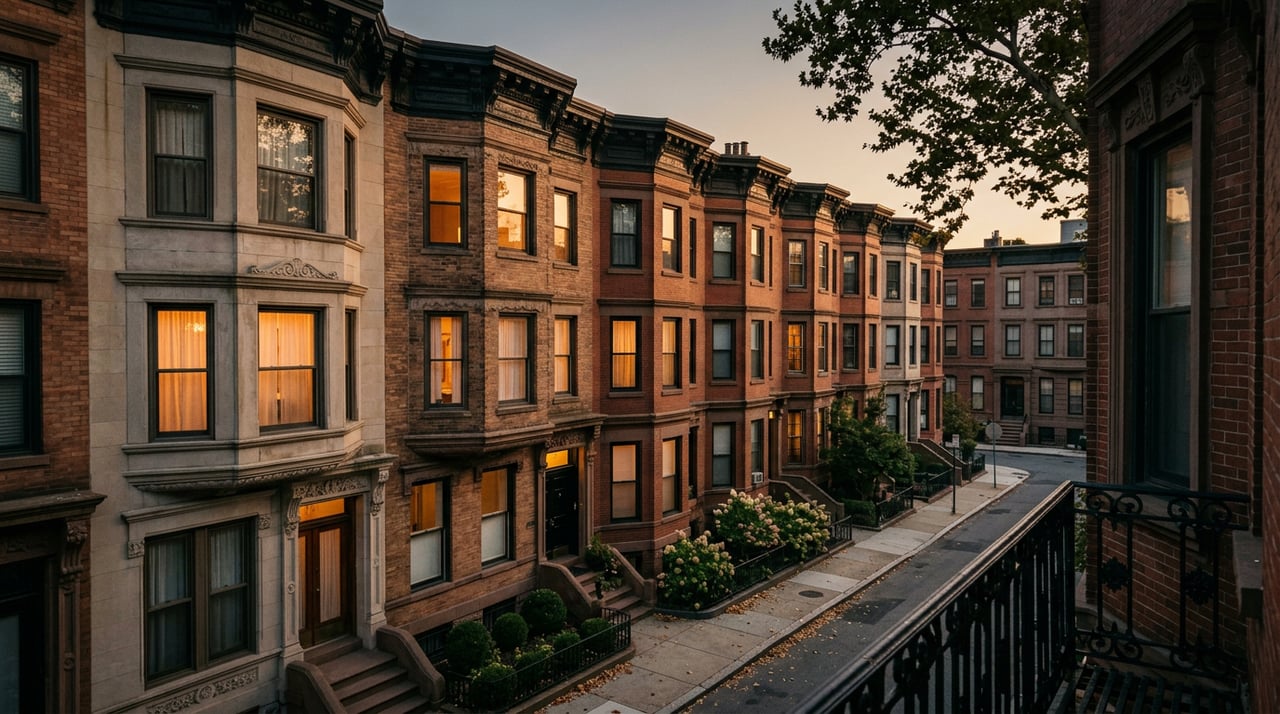
That history helps explain the tall stoops and basement-level entries you still see today. It is one of those details that makes more sense once you know the neighborhood’s backstory.
Greystones, Two-Flats, and Walk-Up Condos
Another defining part of the Bucktown and Wicker housing mix is the classic Chicago flat. Two-flats were commonly built between 1900 and 1920 and are one of the city’s most recognizable low-rise residential forms.
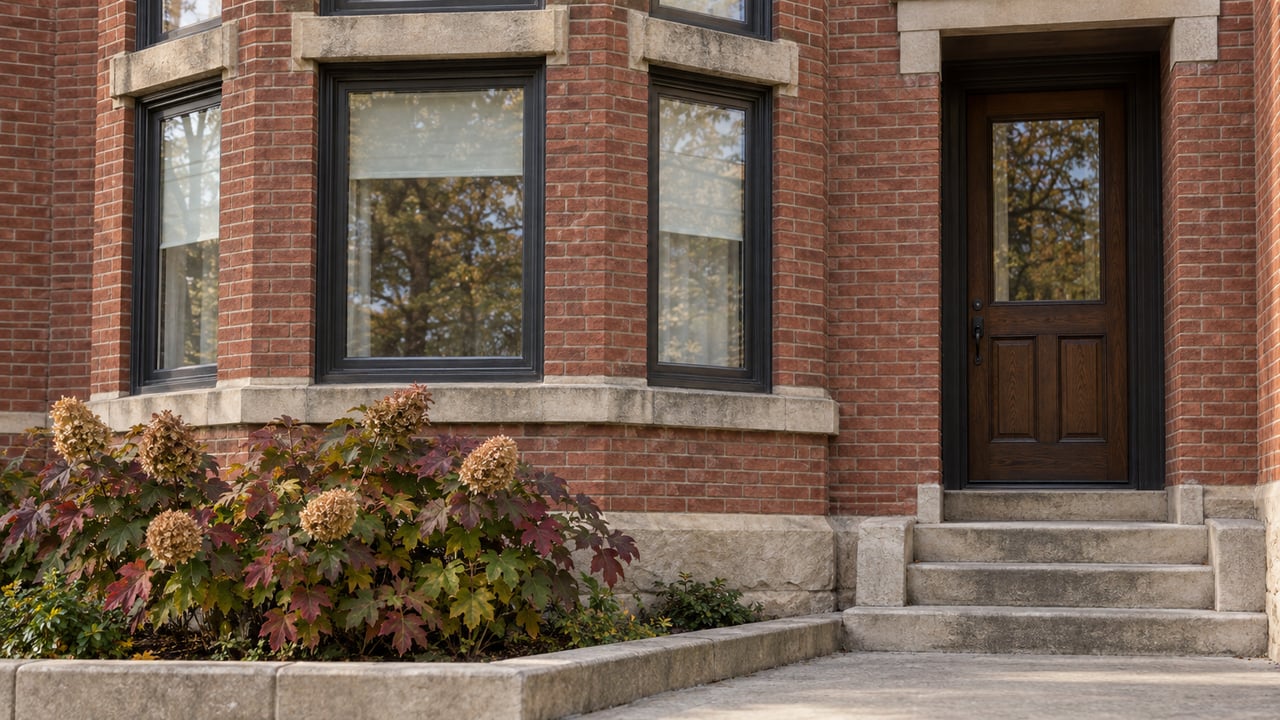
These buildings often feature brick or greystone facades and bay windows, with one unit stacked above another. In fact, the common Chicago greystone is also a form of two-flat, which surprises many buyers who assume greystones are always single-family houses.
For today’s buyers, many walk-up condos in Bucktown and Wicker Park live inside these older buildings. A walk-up is simply a building without an elevator, so stair access is part of daily life.
That tradeoff often comes with benefits buyers love, including vintage detail, a lower-rise feel, and a more intimate building size. If you value character and do not mind stairs, this category can be especially appealing.
Why Bay Windows Show Up So Often
Bay windows are one of the easiest clues that you are looking at a classic Chicago flat. They were not just decorative.
According to the Chicago Architecture Center, bay windows helped make rooms feel larger and brought in more light and ventilation. In older city housing, that was a practical design feature that still adds charm and function today.
Loft Conversions and Industrial Character
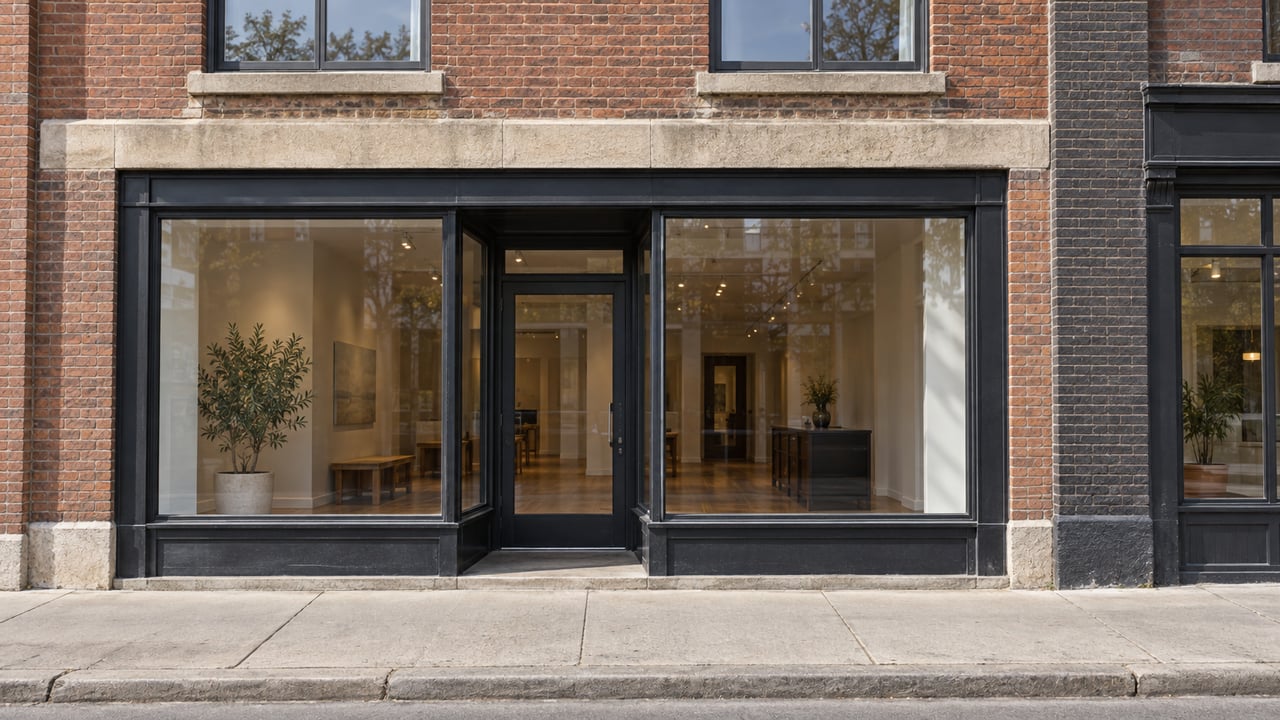
Lofts tell a different chapter of the Bucktown story. They are tied to the area’s industrial past and to later redevelopment that reimagined older commercial or manufacturing buildings as homes.
Clock Tower Lofts, originally a men’s clothing manufacturing building, was converted into lofts in the late 1990s and is described by its architect as one of Bucktown’s first loft conversions. Projects like that helped shape the neighborhood’s transition and added a very different housing option to the local mix.
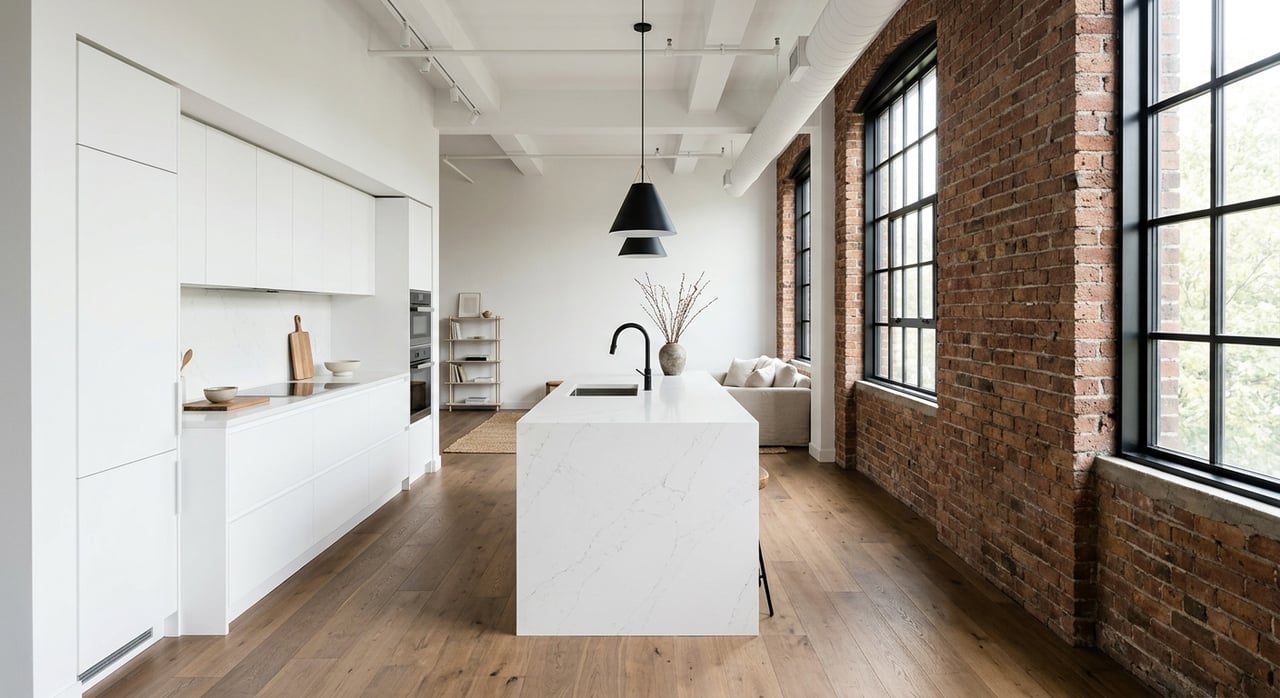
When you see a loft listing in Bucktown, it usually signals large, flexible interiors and preserved industrial texture rather than a traditional room-by-room layout. Think open living areas, taller ceilings, and a sense that the building had a previous life before becoming residential.
For some buyers, that flexibility is the main draw. If you prefer open space over a more compartmentalized floor plan, a loft can offer a very different living experience from a cottage or walk-up condo.
Newer Single-Family Homes
Newer single-family homes are the most contemporary part of the Bucktown and Wicker Park housing mix. They stand out less for historic detail and more for modern living patterns.
In this area, newer homes often mean more turnkey interiors, updated systems, larger storage areas, and kitchens designed around open daily living. The Chicago Architecture Center notes that contemporary homes often favor open floor plans, kitchen islands, and oversized storage, and that tends to align with what buyers expect in newer construction here.
WTTW also notes that luxury homes have appeared along the 606. That does not mean every newer home is the same, but it does show how newer residential development has become part of the neighborhood fabric.
If your priority is less renovation work and a more current layout, newer single-family homes may feel like the easiest fit. They often deliver a modern interior experience even when they sit on a block lined with much older architecture.
How to Match Style to Lifestyle
The best home style for you usually comes down to how you want to live day to day. In Bucktown and Wicker Park, each housing type tends to support a different set of priorities.
Workers’ cottages
These can suit buyers who want a smaller-house feel and are comfortable with compact spaces or a floor plan that has evolved over time. They often offer a strong sense of old Chicago character.
Greystones and walk-up condos
These often appeal to buyers who want classic Chicago architecture, bay windows, and a lower-maintenance option than a full single-family home. They can be a strong fit if you like a low-rise building and do not need elevator access.
Loft conversions
Lofts usually attract buyers who value open, flexible space and visible industrial history. If you want a home that feels less traditional and more adaptive in layout, this style can stand out.
Newer single-family homes
These often work well for buyers who want modern systems, more storage, and less immediate renovation. They are usually the most turnkey option in the area.
What Makes This Area Different
One reason Bucktown and Wicker Park stand out is that the neighborhood mix feels especially visible. Older brick-and-stone housing fabric remains in place, but loft conversions and newer infill are clearly part of the streetscape too.
Compared with a nearby historic district like Ukrainian Village, which Chicago describes as a very well-preserved cross-section of cottages, flats, residences, and larger apartment buildings, Bucktown and Wicker Park can feel more obviously layered. That mix is part of their appeal if you want choices that span vintage charm, adaptive reuse, and modern living.
Buying With More Confidence
When you understand the housing stock in Bucktown and Wicker Park, listings start to make more sense. A raised stoop, a bay window, or an open industrial floor plan is not just a design detail. It is part of the neighborhood’s development story.
That context can help you focus on what matters most to you, whether that is character, layout, maintenance, storage, or renovation potential. If you are comparing home styles in this part of Chicago, local guidance can make the search feel much more straightforward.
If you want help sorting through condos, lofts, cottages, or newer homes in Bucktown and Wicker Park, Kelly Ladewig can help you match the neighborhood’s housing options to your goals.
FAQs
Why are some Bucktown homes raised above street level?
- Many older homes sit higher because Bucktown’s streets were raised in the 1890s, and many houses were lifted and given new basements.
What is a walk-up condo in Bucktown or Wicker Park?
- A walk-up condo is a home in a building without an elevator, so residents reach their units by stairs.
Are greystones in Chicago always single-family homes?
- No. In Chicago, the common greystone is also a form of two-flat building.
Why do so many Wicker Park and Bucktown flats have bay windows?
- Bay windows were used to make rooms feel larger and improve light and ventilation.
What home style in Bucktown or Wicker Park feels most modern?
- Newer single-family homes usually offer the most modern layouts, systems, storage, and turnkey living experience.