Wondering if Chicago’s Gold Coast is as glamorous and livable as its reputation suggests? If you are looking for a neighborhood that blends historic charm, lakefront access, luxury shopping, and an easy connection to downtown, Gold Coast stands out for a reason. Here’s a clear look at what daily life feels like here, what kinds of homes you’ll find, and who this neighborhood tends to fit best. Let’s dive in.
Gold Coast at a Glance
Gold Coast is one of Chicago’s best-known lakefront neighborhoods, long associated with historic prestige, luxury living, and high-end retail. It sits within the broader Near North Side, and while its boundaries are generally understood rather than officially fixed, it is commonly centered around the area near North Avenue, Lake Shore Drive, Bellevue Place, Rush Street, Division, and Clark.
In everyday life, that means you get a neighborhood that feels both residential and highly connected. Some blocks are quiet and lined with historic buildings, while others put you steps from dining, shopping, nightlife, and the lakefront.
Gold Coast Housing Style
Historic and high-rise mix
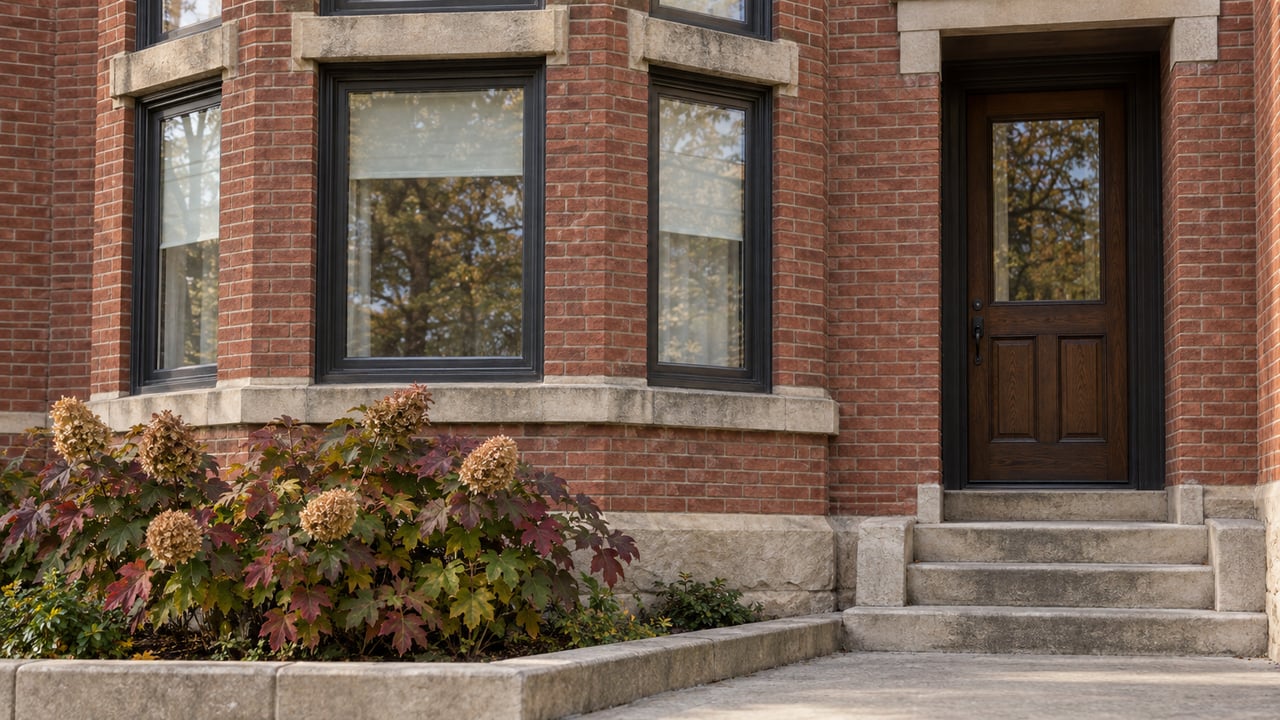
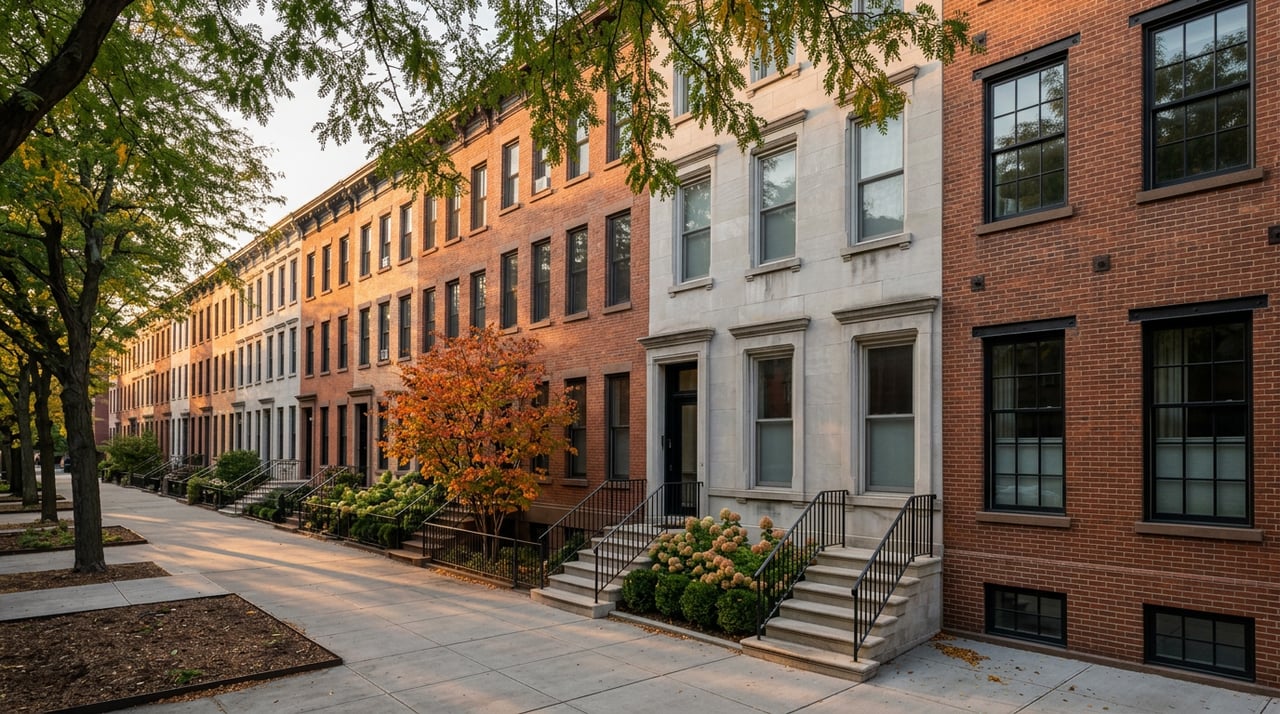
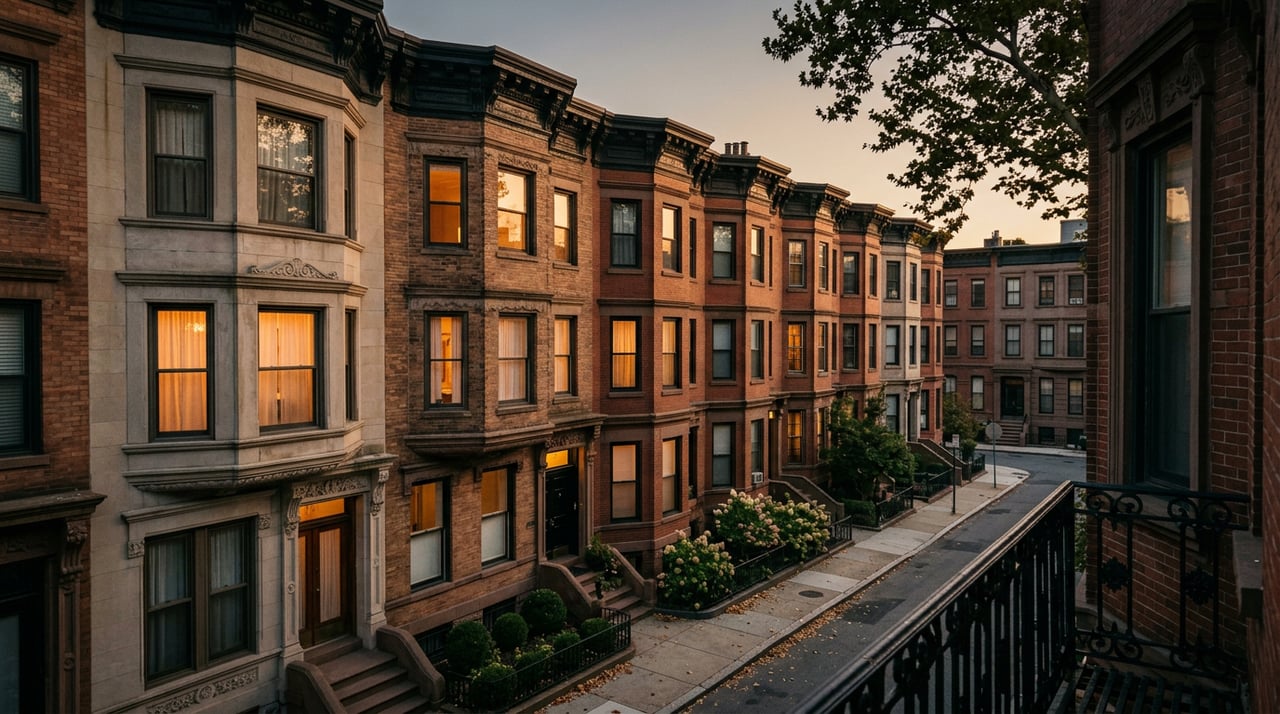
One of the biggest draws of Gold Coast is its architecture. The neighborhood is known for a mix of 19th-century homes, 20th-century townhouses, classic luxury apartment buildings, and newer residential options, which gives the area a layered and established feel.
You can see that contrast clearly in places like the Astor Street District and East Lake Shore Drive. These areas help define Gold Coast’s identity, where older architectural character and upscale urban living exist side by side.
Condo living is common
If you are thinking about moving to Gold Coast, it helps to know that the broader Near North Side housing stock is heavily oriented toward condos and apartments. According to CMAP’s June 2026 snapshot for Near North Side, 93.8% of housing units are in buildings with five or more units, and 58.1% of units have zero or one bedroom.
That data helps explain the feel of the area. Gold Coast tends to work well for people who want an urban, lock-and-leave lifestyle rather than a larger property with a yard or garage-centered setup.
Smaller households shape the vibe
The same CMAP snapshot shows 69,552 households, an average household size of 1.5, and a median age of 33.8 in the broader Near North Side. While that is not Gold Coast-only data, it supports what many buyers notice right away: the neighborhood often feels tailored to singles, couples, and people who want a more compact city lifestyle.
If you prefer a home base that keeps maintenance lower and puts daily amenities close by, that can be a strong fit. If you want a detached home on a larger lot, Gold Coast may feel less aligned with your goals.
Historic Ownership Considerations
Preservation rules matter
Gold Coast’s historic appeal comes with added responsibility in some areas. Chicago landmark districts and landmark buildings are subject to review for certain permits, exterior changes, additions, and demolition.
For you as a buyer or owner, that means it is important to understand building rules and preservation requirements before making changes. In a neighborhood where architectural character is part of the value, those protections are a meaningful part of ownership.
Why this can be a plus
While extra rules may sound limiting at first, they also help preserve the look and feel that draws many people to Gold Coast in the first place. If you value classic facades, established streetscapes, and a strong sense of place, preservation can support long-term neighborhood character.
This is one reason Gold Coast feels different from newer, more uniform residential areas. Its appeal is tied not just to location, but to the visual identity of the neighborhood itself.
Daily Life in Gold Coast
Lakefront access is part of routine
Living in Gold Coast means you are close to one of Chicago’s most recognizable assets: the public lakefront. The Chicago Park District manages about 26 miles of open shoreline, 18 miles of recreational trails, and 29 beaches, giving residents easy access to outdoor space in every season.
Oak Street Beach is especially relevant for Gold Coast residents. Located right by the Gold Coast and Streeterville edge, it offers skyline views, restrooms, food and beverage options, chair rentals, bike rentals, volleyball rentals, and an accessible beach walk.
The beach is open daily from 6 a.m. to 11 p.m., with swimming available only during beach season when lifeguards are on duty from 11 a.m. to 7 p.m. That makes it easy to picture real day-to-day routines here, from early morning walks to summer afternoons by the water.
Shopping and dining are built in
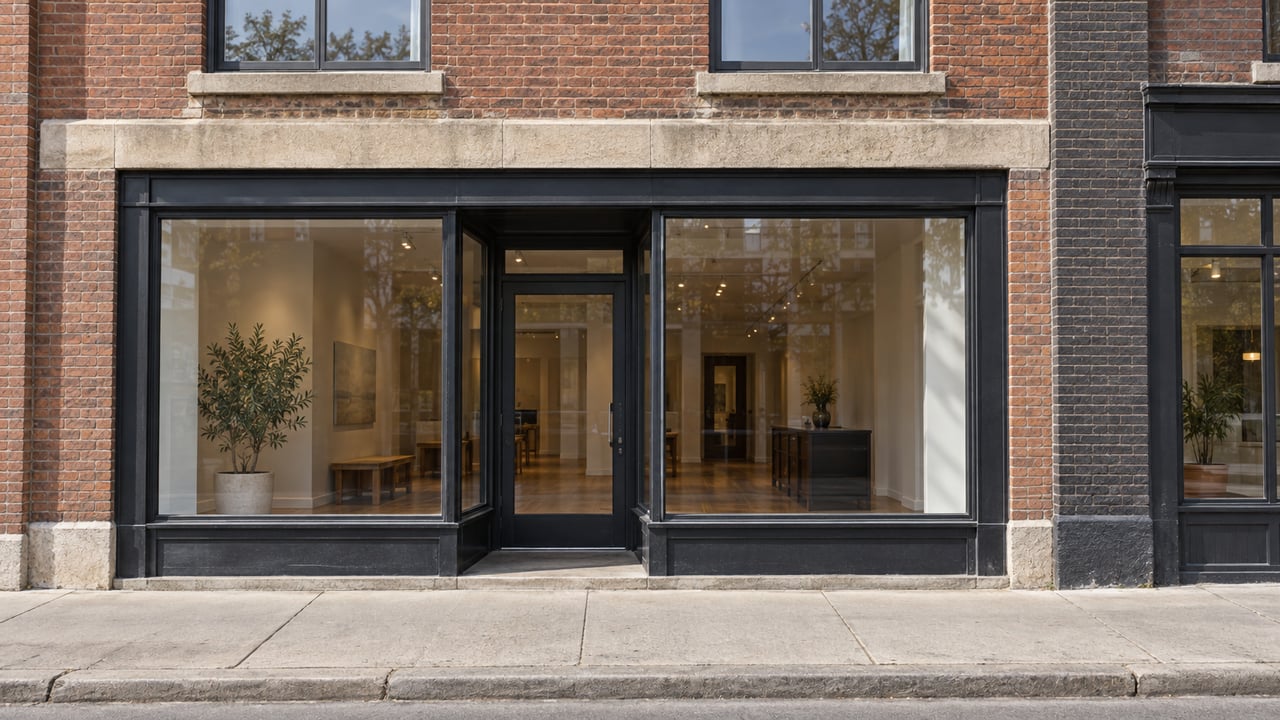
Gold Coast is also known for its shopping, dining, and nightlife. Choose Chicago describes it as a luxury-focused neighborhood with high-end boutiques, notable restaurants, historic hotels, and active streets around Oak Street and Rush Street.
For you, that means convenience and energy are part of the lifestyle. You can live on a quieter residential block and still be close to designer retail, dinner spots, and evening destinations without needing to plan your whole day around a car.
Culture and city access stay close
Gold Coast is not only about restaurants and retail. The neighborhood is also near destinations like the Newberry Library, Porchlight Music Theatre, the Magnificent Mile, and the Chicago History Museum.
That mix gives the area a fuller lifestyle feel. You are not just choosing a home, but a neighborhood where recreation, culture, and daily errands can all fit into a walkable routine.
Getting Around Gold Coast
Walking, transit, and biking work well
Gold Coast is one of those Chicago neighborhoods where it is realistic to rely less on a car. The Clark/Division station is the nearest major Red Line stop for much of the neighborhood, and the Red Line runs 24/7 through downtown.
That station is accessible, includes indoor bike parking, and connects to bus routes 22, 36, 70, and 156. Oak Street Beach is also served by buses 22, 36, and 151, which adds to the area’s everyday convenience.
The broader data supports a car-light lifestyle
Near North Side commuting data helps show how people move around this part of the city. CMAP reports that 47.2% of households have no vehicle available, 25.6% of workers walk or bike, 16.7% use transit, and 18.7% drive alone. Mean commute time is 25 minutes.
Those figures are not specific to Gold Coast alone, but they reflect the larger environment well. If you want a neighborhood where walking to errands, using transit, or biking along the lakefront feels practical, Gold Coast checks that box.
Parking takes planning
That said, parking is still part of the reality here, especially near active retail areas and the beach. The Chicago Park District notes limited street parking near Oak Street Beach, so many residents and visitors rely on garages, rideshare, transit, or walking.
If you are moving from a more car-dependent area, this is worth thinking through early. In Gold Coast, convenience often comes from proximity rather than abundant parking.
Gold Coast Within Chicago
Connected to downtown and the north lakefront
Part of what makes Gold Coast so appealing is its location between several major Chicago destinations. It sits along the north lakefront and feels closely tied to both downtown energy and nearby residential neighborhoods.
Choose Chicago describes nearby Streeterville as a dynamic area near Navy Pier, while Lincoln Park is known for boutiques, museums, dining, a zoo, and waterfront access. Gold Coast sits in the middle of that larger lifestyle map, which helps explain why it feels both central and distinctly residential.
A compact neighborhood with variety
Because Gold Coast has a relatively compact footprint, the neighborhood can change block by block. You may find a calm, tree-lined street just minutes from a busy shopping corridor or nightlife destination.
That contrast is part of the appeal for many buyers. You get access to activity when you want it, but you can still find pockets that feel more tucked away.
Who Gold Coast Fits Best
A strong fit for urban lifestyle buyers
Gold Coast tends to be a strong match if you want walkability, lakefront access, transit options, and a condo-oriented housing market. It can appeal to buyers who value convenience, established architecture, and being close to dining, shopping, and downtown.
It may also suit downsizers or renters transitioning into ownership who want a home in a highly recognizable Chicago neighborhood with a more lock-and-leave lifestyle.
Less ideal for garage-centered living
If your priorities include larger lots, detached houses, or a more car-centered routine, Gold Coast may not be the most natural match. The broader housing and commuting patterns point toward a denser, more vertical, and more walkable way of living.
That does not make it better or worse than other neighborhoods. It simply means the best fit comes down to how you want your daily life to function.
Final Thoughts on Gold Coast
Gold Coast offers a very specific version of Chicago living: historic architecture, luxury condo and apartment living, strong walkability, easy lakefront access, and a location that keeps you close to both downtown and neighborhood amenities. It is polished and active, but it also has residential pockets that can feel surprisingly calm.
If you are trying to decide whether Gold Coast matches your lifestyle, the key question is simple: do you want a home where the city is part of your everyday routine? If the answer is yes, Gold Coast is worth a serious look.
If you want help comparing Gold Coast to other Chicago neighborhoods or finding the right condo, townhouse, or investment opportunity, connect with Kelly Ladewig.
FAQs
What is daily life like in Chicago’s Gold Coast?
- Daily life in Gold Coast blends residential streets with easy access to the lakefront, Oak Street Beach, shopping, dining, nightlife, and nearby cultural destinations.
What types of homes are common in Chicago’s Gold Coast?
- Gold Coast is largely made up of condos, apartments, townhouses, and historic residential buildings, with the broader Near North Side dominated by housing in larger multi-unit buildings.
Is Chicago’s Gold Coast a walkable neighborhood?
- Yes. Gold Coast is well suited for walking, transit, and biking, with access to the Red Line, several bus routes, and the lakefront trail network.
Do you need a car to live in Chicago’s Gold Coast?
- Many residents can live with limited car use because of transit access and walkability, though parking can be more challenging near the beach and busy retail corridors.
Are there special rules for historic properties in Chicago’s Gold Coast?
- Yes. In landmark districts and landmark buildings, certain exterior changes, additions, permits, and demolition plans may be subject to City of Chicago review.
Who is Chicago’s Gold Coast best for?
- Gold Coast tends to fit buyers who want a lakefront, transit-friendly, condo-oriented lifestyle and who value being close to shopping, dining, and downtown Chicago.